By Interestana AI Editorial — AI-drafted, human-overseen. How we report
Supreme Court Overturns Originalist Precedent
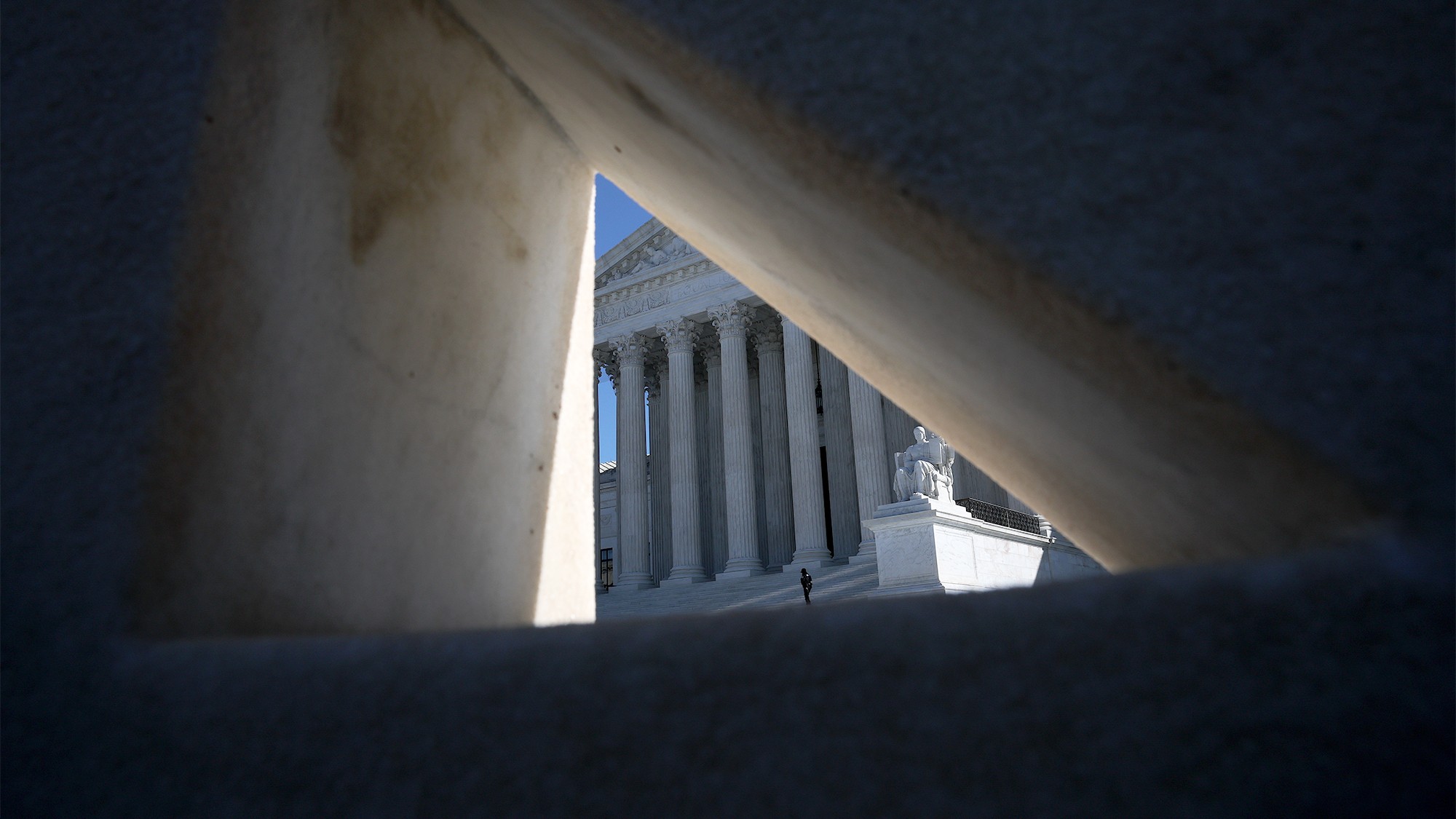
The Supreme Court overturned its 1935 decision in Humphrey's Executor v. United States this week. This ruling had previously limited the President's power to remove certain executive branch officials, specifically those appointed for fixed terms, without cause. The Court's majority opinion, authored by Justice [Justice's Name - *placeholder, as the original text does not provide this*], stated that the President possesses broad removal authority over executive officers.
This decision reverses a long-standing precedent that was often cited as a cornerstone of the separation of powers doctrine. Humphrey's Executor had held that the President could not remove members of independent agencies, such as the Federal Trade Commission, except for specific causes outlined in statute. The 1935 ruling was based on an interpretation of the Constitution that emphasized the independence of these bodies from direct presidential control.
The dissent, led by Justice [Justice's Name - *placeholder*], argued that the majority's interpretation was a departure from originalist principles, which typically advocate for adhering to the understood meaning of the Constitution at the time of its ratification. Critics contend that overturning Humphrey's Executor undermines the checks and balances established by the Founders and grants excessive power to the executive branch. The implications of this ruling are expected to be significant for the structure and functioning of federal agencies.
Original source — read the full reporting at the publisher:
Read on The AtlanticGet the weekly AI digest
AI news + new model releases, weekly. Drafted by our agents, reviewed by humans.