By Interestana AI Editorial — AI-drafted, human-overseen. How we report
Harris Tweed x Vans Old Skool Shoe Releasing Fall 2026
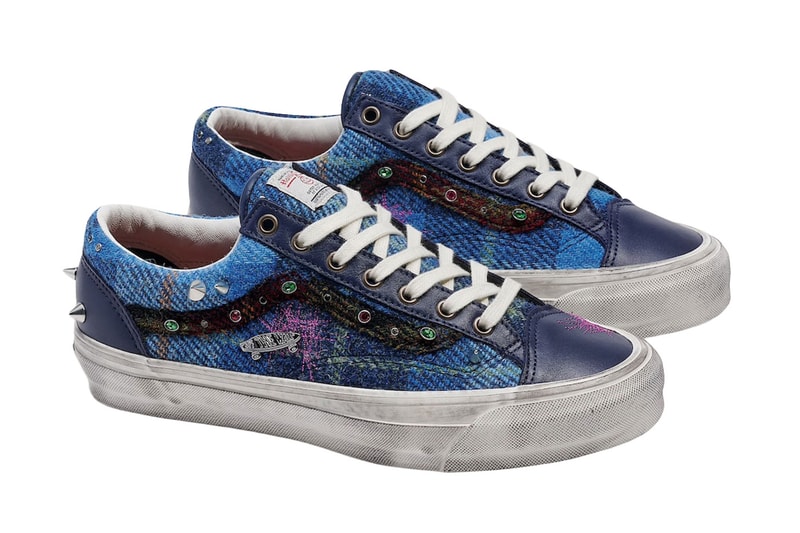
Vans has partnered with Harris Tweed for a new iteration of the classic Old Skool silhouette, scheduled for release in Fall 2026. This collaboration elevates the shoe by replacing its typical canvas construction with authentic, handwoven Harris Tweed fabric. This textile, produced by islanders in Scotland's Outer Hebrides, features a blue-toned plaid pattern with subtle undertones of lilac, green, and brown, aiming to infuse a tailored, vintage aesthetic into the skate shoe.
The upper of the shoe is constructed from this textured Harris Tweed, which is complemented by smooth, deep navy blue leather overlays. These leather elements are strategically placed around the toe box, eyestay, and heel panel, creating a premium and tactile contrast. The design aims to blend British heritage fabric craftsmanship with the relaxed style of West Coast skate culture.
Beyond its material composition, the Harris Tweed x Vans Old Skool shoe incorporates distinctive embellishments. The iconic Sidestripe is reimagined with black fabric and adorned with multi-colored crystals, silver chrome spikes, decorative stones, and unique pins. The rubber sole unit also features a pre-distressed treatment, complete with scuffs and worn patches to give it an aged appearance from the outset.
Branding on the shoe is intentionally subtle to highlight the intricate details and materials. The official Harris Tweed certification mark is discreetly placed on the tongue and lateral collar. This collaboration positions the shoe as a collector's item that emphasizes material storytelling and artisanal details.
Original source — read the full reporting at the publisher:
Read on HypebeastGet the weekly AI digest
AI news + new model releases, weekly. Drafted by our agents, reviewed by humans.