By Interestana AI Editorial — AI-drafted, human-overseen. How we report
Greek Cinemas Add Intermissions to 'The Odyssey' Screenings
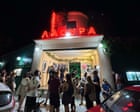
Greek cinemas are reintroducing intermissions, a practice long considered essential for the viewing experience, even for films that do not traditionally include them. This trend is highlighted by recent screenings of "The Odyssey" at venues like the Arian open-air cinema on the Athens riviera. During a showing of the film, which depicts Odysseus's men being transformed into pigs, the audience reportedly experienced a moment of nervous laughter, followed by the playing of The Bangles' "Eternal Flame" on the house speakers. This particular scene, occurring amidst a grotesque feeding frenzy fueled by drugged cheese and wine, did not seem to encourage patrons to visit the concession stand for hotdogs, suggesting that the narrative tension or the film's length might have contributed to a desire for a break.
The decision to add an intermission to "The Odyssey," a film directed by Christopher Nolan, deviates from the director's apparent preference for a continuous viewing experience, as evidenced by his decision against an intermission in his nearly three-hour-long adaptation of Homer's epic. In Greece, however, the tradition of the intermission holds significant cultural weight. It is viewed not merely as a pause in the film but as an integral part of the cinematic outing. This break provides audiences with opportunities to engage in various activities, including purchasing refreshments from the concession stand, such as beers and hotdogs, and, in some instances, even to propose marriage. The "non-negotiable" nature of these intervals in Athens' picturehouses underscores their importance in enhancing audience comfort and facilitating social interactions within the cinema environment.
This revival of the intermission practice in Greece reflects a broader cultural perspective on film exhibition. Unlike in some other regions where intermissions have become less common, particularly with the advent of digital projection and a focus on maximizing screen time, Greek cinemas are recognizing the value of providing these breaks. The Arian cinema's programming, for example, explicitly acknowledges the need for such pauses, suggesting a conscious effort to cater to audience expectations and enhance the overall enjoyment of the movie-going experience. The inclusion of an intermission is seen as a crucial element that allows patrons to refresh themselves, both physically and mentally, before returning to the narrative. This approach prioritizes the comfort and engagement of the audience, ensuring that the cinematic event is as pleasant and accommodating as possible. The practice also serves as a vital revenue stream for cinemas through increased concession sales during the extended break.
The cultural significance of the intermission in Greece is deeply rooted. It is more than just a practical necessity for biological needs; it is a social ritual. It offers a moment for reflection on the film thus far, a chance to catch up with companions, or simply a brief respite from the immersive experience of the screen. For "The Odyssey," a film that retells a classic epic, the inclusion of an intermission can also be seen as a nod to older traditions of storytelling and performance, where breaks were often incorporated into lengthy narratives. The Arian cinema's choice to play The Bangles' "Eternal Flame" during the intermission of "The Odyssey" further illustrates the blend of contemporary and traditional elements that characterize the Greek cinema experience, aiming to create a memorable and comfortable outing for all attendees.
Original source — read the full reporting at the publisher:
Read on The Guardian CultureGet the weekly AI digest
AI news + new model releases, weekly. Drafted by our agents, reviewed by humans.