By Interestana AI Editorial — AI-drafted, human-overseen. How we report
Prediction Markets at a Crossroads Amidst Insider Trading Crackdowns
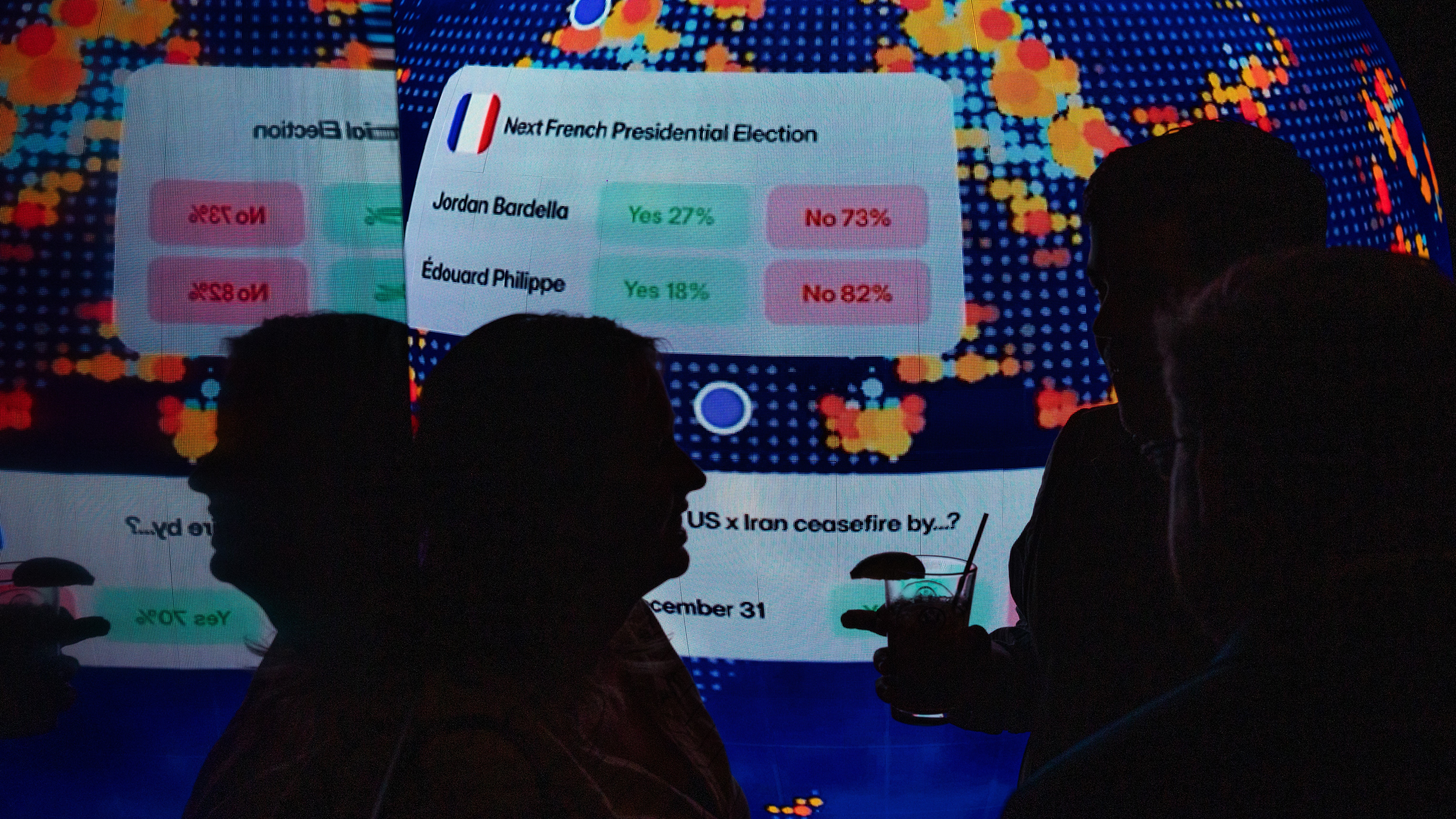
Prediction markets, platforms designed to harness collective intelligence for forecasting future events, are currently navigating a critical juncture due to intensified regulatory scrutiny and crackdowns on insider trading. These innovative platforms function by enabling users to trade contracts whose value is directly tied to the outcome of specific, verifiable events. For instance, a contract might represent the likelihood of a particular political candidate winning an election, a company achieving a certain quarterly earnings target, or a macroeconomic indicator reaching a predefined level. The core tenet of these markets is that the prevailing market price of such a contract serves as a real-time, aggregated probability estimate of the event's occurrence, reflecting the collective wisdom and diverse perspectives of its participants.
However, recent enforcement actions, particularly those targeting insider trading, have starkly illuminated a significant Achilles' heel within the prediction market ecosystem. The potential for individuals possessing material, non-public information to leverage this privileged knowledge for personal financial gain poses a direct threat to the integrity of the prediction mechanism. When prices are influenced by insider information rather than genuine, democratically aggregated probabilities, the market's ability to provide an unbiased forecast is severely compromised. This creates a fundamental contradiction: the stated objective of prediction markets is to serve as a transparent and objective mechanism for information aggregation, yet they are demonstrably susceptible to manipulation by those with an unfair informational advantage. Regulatory bodies, including agencies like the U.S. Securities and Exchange Commission (SEC), are now actively grappling with the complex challenge of applying existing securities regulations, such as those prohibiting insider trading, to these novel financial instruments, or potentially developing entirely new regulatory frameworks tailored to their unique characteristics.
The ramifications of these regulatory interventions extend far beyond mere legal compliance, striking at the very heart of prediction markets' functionality and their perceived legitimacy. If the public and potential participants come to view these markets as easily manipulated or inherently biased in favor of insiders, their capacity to deliver accurate, crowd-sourced predictions will inevitably diminish. This erosion of confidence could precipitate a decline in user participation, thereby weakening the network effects that are crucial for robust forecasting. Consequently, the utility of prediction markets as valuable tools for informed decision-making across a wide spectrum of domains – including strategic business planning, public policy formulation, academic research, and even personal financial forecasting – could be significantly curtailed. The paramount challenge facing both the operators of these prediction market platforms, such as Kalshi and Polymarket, and the regulatory authorities is to establish a delicate equilibrium. This balance must foster continued innovation in the field of collective intelligence while simultaneously ensuring a level playing field and upholding principles of fair play. Successfully navigating this challenge is essential for preserving and enhancing the potential of prediction markets to serve as powerful instruments for understanding, anticipating, and ultimately shaping the future.
Original source — read the full reporting at the publisher:
Read on The AtlanticGet the weekly AI digest
AI news + new model releases, weekly. Drafted by our agents, reviewed by humans.