By Interestana AI Editorial — AI-drafted, human-overseen. How we report
Bentley Torcal EV SUV to Debut with V8 Sound
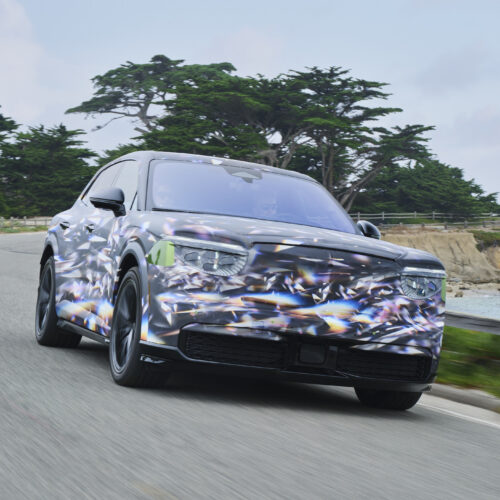
Bentley is set to unveil its first all-electric vehicle, the Torcal SUV, next month, marking a significant shift towards electrification for the British automaker. While Bentley has already integrated plug-in hybrid technology across its model range, including replacing the Continental GT's W12 engine with a plug-in hybrid V8, the Torcal will be its first purely battery-electric offering. This move aligns with the marque's emphasis on delivering effortless torque, a characteristic amplified by electric powertrains. The Torcal's design, clad in plastic and featuring a multi-hued dazzle camouflage, positions it as a sports SUV. It is shorter in length and height than the Bentley Bentayga but offers comparable interior volume due to the efficient packaging of electric vehicle platforms. The underlying engineering of the Torcal is shared with the Porsche Cayenne EV, though Bentley has adapted it to meet its specific requirements. Bentley is targeting an EPA range of 300 miles (482 km) and a WLTP range of 600 km (373 miles) from its battery pack. Similar to the Cayenne EV, the Torcal is expected to support 400 kW DC fast charging capabilities. The vehicle measures 5 meters (16 feet, 5 inches) in length, making it shorter than the Bentayga. Bentley's product line director for the Torcal, Martin Page, stated that the vehicle will deliver over a thousand newton-meters of torque (737 lb-ft) and exceed 850 PS (838 hp/625 kW), but the company is not aiming for four-figure horsepower outputs. A notable feature of the Torcal will be its simulated engine sound, designed to replicate the auditory experience of a 6.75-liter V8 engine, a nod to Bentley's heritage of powerful internal combustion engines. This auditory feature aims to provide a familiar and engaging driving experience for customers accustomed to traditional performance vehicles, while still embracing electric propulsion. Bentley's strategy involves leveraging shared platforms and technologies with other Volkswagen Group brands, such as Porsche, to accelerate its EV development and maintain competitive positioning in the luxury electric vehicle market. The company's commitment to electrification is a key component of its broader sustainability goals, aiming to reduce its carbon footprint and meet evolving regulatory and consumer demands for greener transportation.
Original source — read the full reporting at the publisher:
Read on Ars TechnicaGet the weekly AI digest
AI news + new model releases, weekly. Drafted by our agents, reviewed by humans.