By Interestana AI Editorial — AI-drafted, human-overseen. How we report
US Cities Deploy Troops Amid Unprecedented Domestic Use
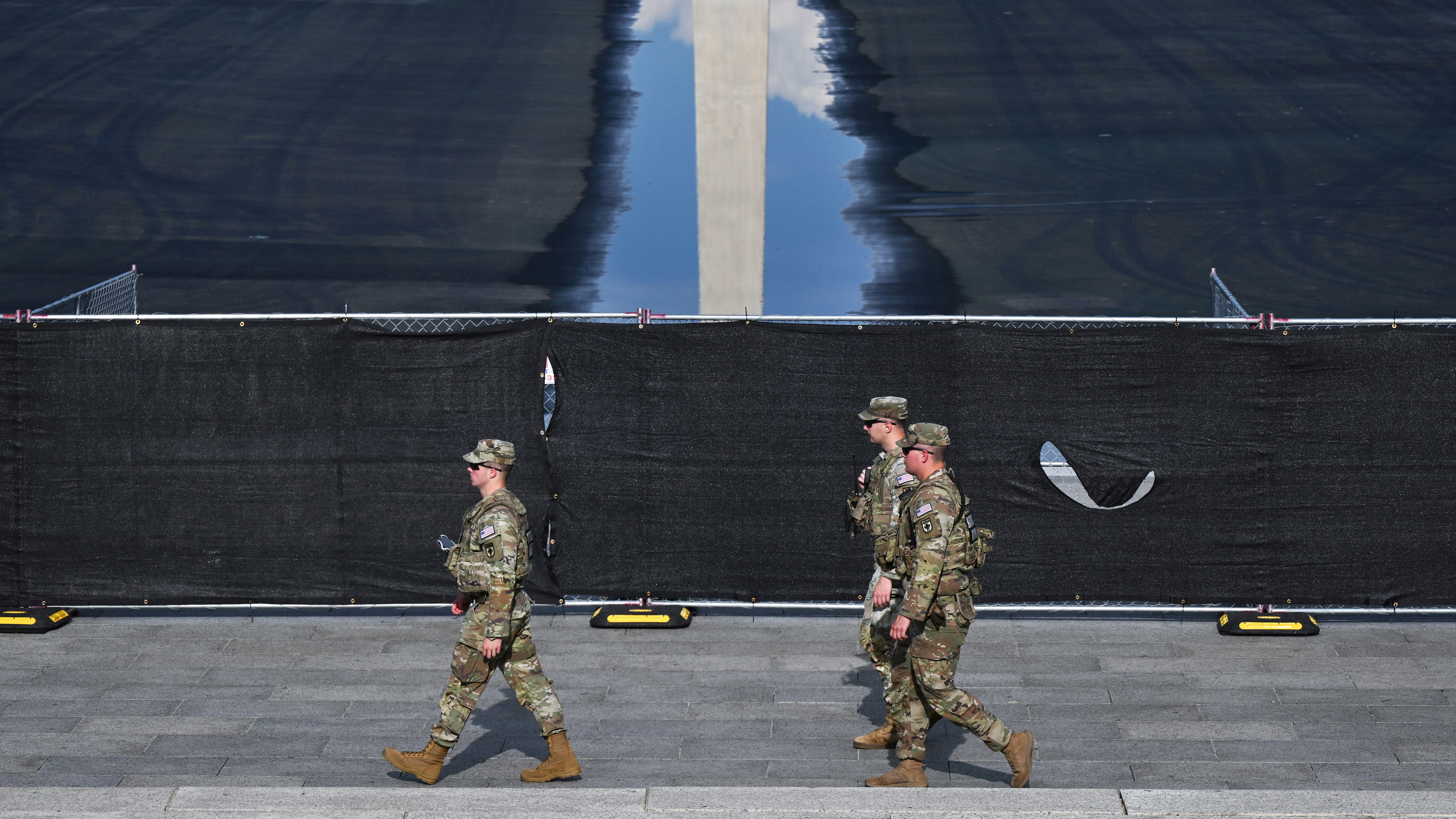
The deployment of federal troops onto U.S. soil for domestic law enforcement purposes has become an increasingly frequent, though still rare, occurrence, marking a significant departure from historical norms since the nation's founding. Residents of Washington, D.C., are now experiencing what is described as a "new normal" characterized by the visible presence of soldiers on their streets. This shift reflects a broader trend across various American cities grappling with complex public safety challenges, leading to unprecedented uses of military personnel in civilian capacities.
Historically, the use of federal troops domestically has been reserved for extreme circumstances, such as the Civil War or the Little Rock Nine integration crisis in 1957. These deployments were typically authorized under specific legal frameworks, often involving the Insurrection Act, which allows the President to deploy troops to suppress rebellion or enforce federal law when state authorities are unable or unwilling to do so. However, recent deployments appear to be occurring in contexts that differ from these historical precedents, raising questions about the evolving interpretation and application of laws governing military involvement in domestic affairs.
The rationale behind these deployments often centers on augmenting local law enforcement capabilities during periods of civil unrest, large-scale protests, or other events that strain municipal resources. The presence of military personnel, equipped with specialized training and equipment, is intended to restore order, protect critical infrastructure, and ensure public safety. However, the militarization of domestic spaces and the potential for escalation of force are significant concerns raised by civil liberties advocates and community members. The visual impact of armed soldiers in urban environments can also foster an atmosphere of fear and distrust, potentially exacerbating tensions rather than resolving them.
While specific details regarding the legal authorizations and operational mandates for each deployment vary, the underlying trend suggests a growing reliance on federal military assets to address domestic security issues. This reliance may stem from a combination of factors, including understaffed police departments, increased frequency and intensity of protests, and a perceived need for a more robust response to maintain order. The long-term implications of normalizing troop presence on American streets are a subject of ongoing debate, with discussions focusing on the balance between security needs and the preservation of civil liberties, as well as the potential impact on the relationship between the military and the civilian population.
Original source — read the full reporting at the publisher:
Read on The AtlanticGet the weekly AI digest
AI news + new model releases, weekly. Drafted by our agents, reviewed by humans.