By Interestana AI Editorial — AI-drafted, human-overseen. How we report
Child Refusal to Buckle Up Cancels Porter Airlines Flight
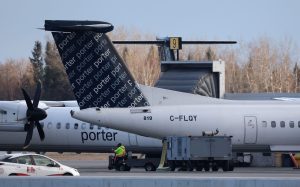
A Porter Airlines flight bound for Toronto experienced a cancellation last week due to a young child's persistent refusal to sit down and fasten their seatbelt. The incident, which occurred at Victoria International Airport in British Columbia, necessitated the aircraft's return to the terminal. Airline officials stated that both the child's parent and the flight crew made repeated, unsuccessful attempts to secure the child in their seat. The decision to remove the parent and child, along with their baggage, from the aircraft caused a substantial delay to the flight, which was originally scheduled to depart on Thursday. The delay pushed the departure time past the airport's runway closure deadline of 12:30 a.m. Consequently, all remaining passengers on the flight were required to disembark. Porter Airlines issued an apology to the affected passengers for the inconvenience. The airline subsequently rebooked these passengers onto a flight scheduled for the following day, ensuring their travel could continue. This event highlights the complex operational challenges airlines face when passenger safety protocols, such as mandatory seatbelt usage, are not adhered to, even by the youngest travelers. The incident underscores the importance of passenger cooperation with flight crew instructions to ensure the safety and timely operation of air travel. While the specific age of the child was not disclosed, the situation required a significant intervention that ultimately led to the flight's cancellation and a day-long delay for the majority of the passengers. The airline's response involved not only the logistical challenge of removing passengers and their belongings but also the subsequent reaccommodation of all affected individuals. This type of disruption, though rare, can have cascading effects on airline schedules and passenger plans, emphasizing the delicate balance between operational efficiency and passenger compliance with safety regulations. The flight was en route from Victoria, British Columbia, to Toronto, Ontario, when the incident occurred, impacting a journey that would have otherwise proceeded without major incident. The airline's commitment to passenger safety was the primary driver for the difficult decision to cancel the flight and return to the gate, prioritizing the well-being of everyone on board over immediate departure. The passengers who were rebooked for the next day experienced an unexpected overnight stay and a significant disruption to their travel itineraries.
Original source — read the full reporting at the publisher:
Read on FortuneGet the weekly AI digest
AI news + new model releases, weekly. Drafted by our agents, reviewed by humans.