By Interestana AI Editorial — AI-drafted, human-overseen. How we report
UNAM Exam Disaster: AI Proctoring Leads to 58,000 Retakes
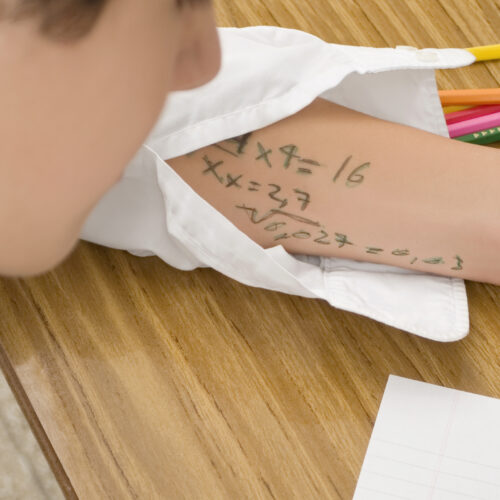
Mexico's National Autonomous University (UNAM) has mandated that approximately 58,000 students must retake their entrance exam following a disastrous remote administration that utilized AI-powered proctoring software. The exam, taken by nearly 160,000 applicants earlier this summer, was conducted remotely for the first time over several weeks from late May through early June. This shift to a "lockdown" browser and AI webcam supervision was intended to maintain exam integrity but instead led to widespread issues. The primary concern arose from the exam results, which showed a significant and inexplicable deviation from historical performance data. Specifically, the percentage of students achieving perfect or near-perfect scores dramatically increased. Between 2021 and 2025, an average of 3.5 percent of test takers scored 100 or more on the 120-question UNAM test. In stark contrast, this year, 16.3 percent of applicants achieved such high scores, a more than four-fold increase. This anomaly, coupled with reports of technical difficulties and potential algorithmic biases within the AI proctoring system, prompted UNAM officials to invalidate the results for a substantial portion of the applicant pool. The university has not yet specified the exact reasons for the AI system's failure or the precise nature of the anomalies detected, beyond the statistical improbability of the high scores. However, the decision to force a retake for 58,000 students underscores the severity of the perceived integrity breach. The incident highlights the ongoing challenges and risks associated with the implementation of AI in high-stakes educational assessments, particularly concerning fairness, accuracy, and the potential for unintended consequences. UNAM is now tasked with re-administering the exam, a logistical undertaking that will incur significant costs and delays for both the institution and the affected students. The university has committed to a thorough review of the proctoring technology and its application to prevent similar issues in future examinations. The scale of the problem, affecting over a third of the original applicants, points to a systemic failure in the remote examination process. The university's decision to cancel results for such a large group indicates a lack of confidence in the validity of the scores generated under the AI supervision. This event serves as a cautionary tale for educational institutions worldwide exploring AI-driven solutions for remote testing and assessment.
Original source — read the full reporting at the publisher:
Read on Ars TechnicaGet the weekly AI digest
AI news + new model releases, weekly. Drafted by our agents, reviewed by humans.