By Interestana AI Editorial — AI-drafted, human-overseen. How we report
Wisconsin's Deep Political Divisions Highlighted
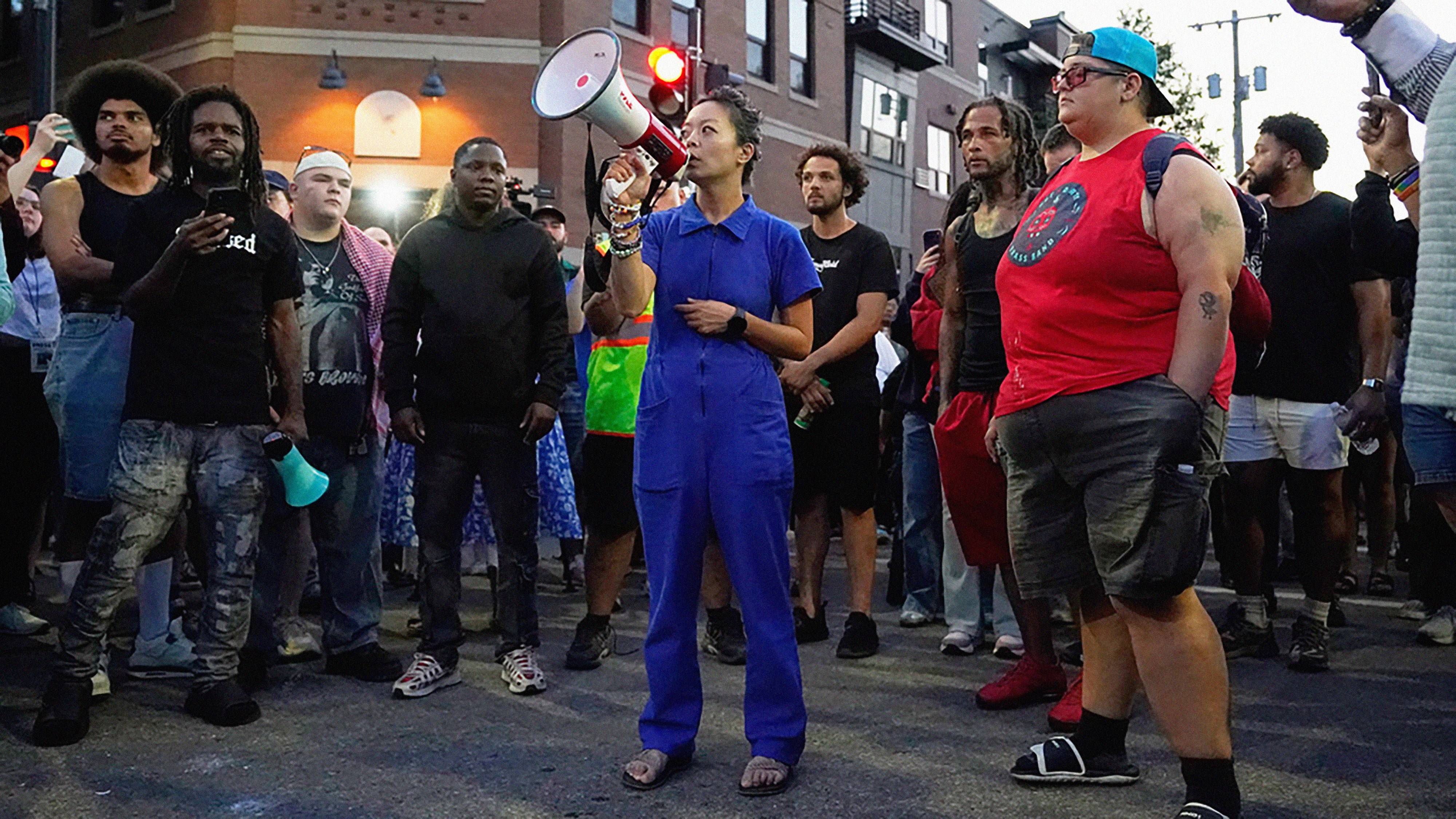
Wisconsin's political identity is characterized by a persistent and pronounced division, eschewing moderation in favor of strong ideological leanings. This division is not a recent phenomenon but a long-standing feature of the state's electoral and social fabric. Historically, Wisconsin has often been a bellwether state, reflecting broader national trends, but its internal dynamics have consistently favored distinct political poles rather than a centrist consensus. The state's electorate frequently demonstrates a willingness to elect candidates at the far ends of the political spectrum, leading to governance that often reflects these extreme viewpoints.
This pattern of division is evident in recent electoral outcomes and ongoing political debates. Wisconsin has been a key battleground in national elections, with its electoral votes often decided by narrow margins, underscoring the close but ideologically opposed factions within the state. Observers note that this polarization is not merely a matter of policy differences but also reflects deep-seated cultural and social divides. The state's rural and urban populations, for instance, often hold starkly different views on a range of issues, from economic policy to social values, further entrenching the political divide.
Furthermore, the state's political discourse frequently centers on highly contentious issues, with little room for compromise. This environment fosters a political climate where compromise is often viewed as weakness, and adherence to core ideological tenets is paramount. The media landscape within Wisconsin also tends to reflect and amplify these divisions, with different outlets catering to distinct political viewpoints, thereby reinforcing existing beliefs and limiting exposure to alternative perspectives. This dynamic contributes to a self-perpetuating cycle of polarization, making it challenging to find common ground.
The consequence of this entrenched division is a state government that often operates under the influence of its most ardent political factions. This can lead to significant policy shifts when power changes hands, as new administrations seek to implement agendas aligned with their respective ideological bases. The lack of a strong moderate bloc means that policy decisions are frequently driven by the priorities of the left or the right, with less emphasis on consensus-building or incremental change. This has implications for everything from state budgeting and taxation to social services and environmental regulations, as each administration prioritizes its core tenets.
Original source — read the full reporting at the publisher:
Read on The AtlanticGet the weekly AI digest
AI news + new model releases, weekly. Drafted by our agents, reviewed by humans.