By Interestana AI Editorial — AI-drafted, human-overseen. How we report
US Cyclosporiasis Cases Rise From Domestic Sources
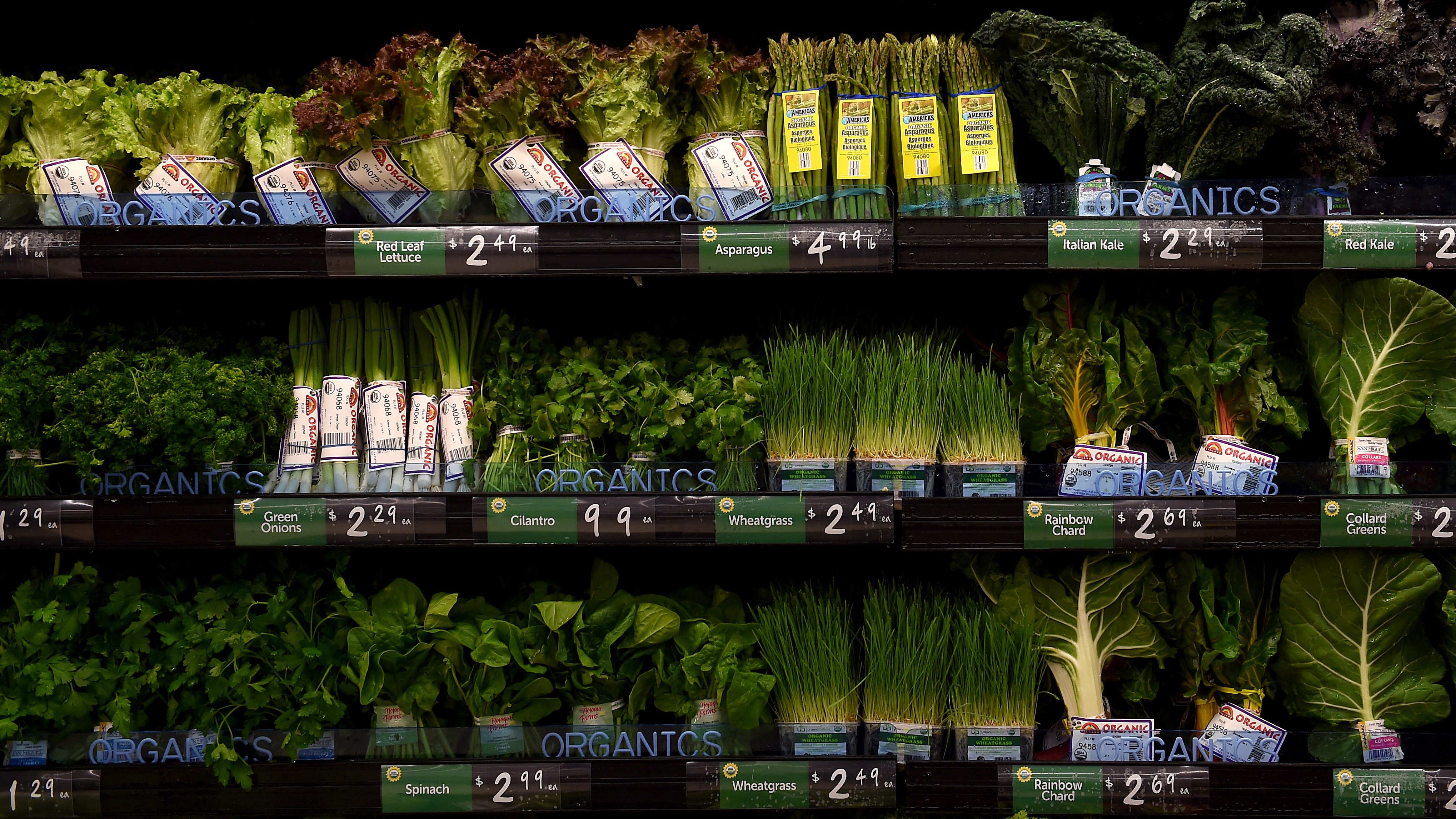
Cases of cyclosporiasis, a parasitic diarrheal illness typically associated with imported produce, are increasingly being linked to domestic sources within the United States. Scientists are actively investigating the reasons behind this emerging trend, which marks a departure from the disease's usual epidemiological patterns. Historically, outbreaks of cyclosporiasis in the U.S. have been traced to contaminated fruits and vegetables imported from tropical or subtropical regions.
The Centers for Disease Control and Prevention (CDC) has reported a notable rise in domestic cyclosporiasis infections over recent years. This suggests that the parasite, Cyclospora cayetanensis, may be establishing a foothold or finding more efficient transmission routes within the U.S. agricultural system. Researchers are examining various potential factors, including changes in agricultural practices, climate shifts that could favor parasite survival, and increased surveillance efforts that might be detecting more cases.
Understanding the source of these domestic infections is crucial for public health officials to implement targeted prevention strategies. Traditionally, interventions have focused on produce imported from specific countries. However, if the parasite is now prevalent in domestic growing environments, the focus of control measures may need to shift. This could involve enhanced testing of domestic produce, improved sanitation practices on farms, and public awareness campaigns about the risks associated with certain foods, even those grown locally.
The implications of this domestic spread are significant, potentially requiring a re-evaluation of food safety protocols and agricultural oversight. Further research is needed to pinpoint the exact environmental or agricultural factors contributing to the increased prevalence of Cyclospora cayetanensis within the United States. The scientific community is working to identify whether specific crops, regions, or farming methods are more implicated in these domestic outbreaks.
Original source — read the full reporting at the publisher:
Read on The AtlanticGet the weekly AI digest
AI news + new model releases, weekly. Drafted by our agents, reviewed by humans.