By Interestana AI Editorial — AI-drafted, human-overseen. How we report
War of 1812's Economic Echoes: Jefferson's Embargo and Trump's Tariffs Offer Stark Parallels
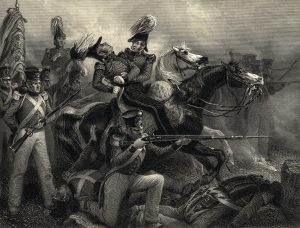
The economic consequences of the War of 1812, particularly the self-inflicted damage stemming from trade embargoes, present a striking historical parallel to the economic effects of former President Donald Trump's tariffs. In the period leading up to the War of 1812, President Thomas Jefferson, a Democratic-Republican, implemented an embargo against Great Britain and France. This policy, intended to punish these European powers and assert American sovereignty, instead led to a catastrophic contraction of U.S. trade. Within a single year, American exports plummeted by approximately 80%, and imports fell by nearly 60%. This severe economic downturn, a "self-inflicted wound" as described, plunged the young United States into a depression even before the first shots of the war were fired against Britain.
While the economic damage wrought by former President Donald Trump's tariffs has not reached the magnitude of a national depression, it has nonetheless had significant negative repercussions. According to the Tax Foundation, these tariffs have demonstrably increased the prices of core goods by an estimated 3.1%. Furthermore, the Tax Foundation projects that these trade barriers will reduce the nation's long-run Gross Domestic Product (GDP) by 0.4% and are estimated to result in the loss of approximately 345,000 full-time jobs. This economic impact underscores a recurring theme in American economic history where protectionist policies, intended to bolster domestic industries, can lead to substantial economic costs.
The historical narrative of the War of 1812 further illustrates how economic damage was compounded by military conflict. Following the initial embargo, the subsequent blockade by the Royal Navy during 1813-14 significantly exacerbated the economic hardship faced by the United States. Similarly, in the context of contemporary geopolitical tensions and conflicts, the closure of the Strait of Hormuz, a critical chokepoint for global oil transit, has been identified by the International Energy Agency (IEA) as the most significant oil-supply disruption in history. This has contributed to persistent volatility and uncertainty in global energy markets.
The War of 1812, often referred to as America's first war as an independent nation, remains largely obscure to the public consciousness. While some Americans might recall its start date or its association with the "Star-Spangled Banner" – the national anthem inspired by the bombardment of Fort McHenry during the war – or the rise of General Andrew Jackson, a pivotal figure who later became president, the underlying causes and the devastating economic consequences of the conflict with Great Britain are seldom understood. The analysis emphasizes that the economic policies enacted by Jefferson before the War of 1812, aimed at punishing rival nations, ultimately inflicted severe harm on the U.S. economy, a pattern that resonates with the economic consequences observed from Trump's imposition of tariffs.
Original source — read the full reporting at the publisher:
Read on FortuneGet the weekly AI digest
AI news + new model releases, weekly. Drafted by our agents, reviewed by humans.