By Interestana AI Editorial — AI-drafted, human-overseen. How we report
Allies Expect Long-Term US Isolationism Under Trump
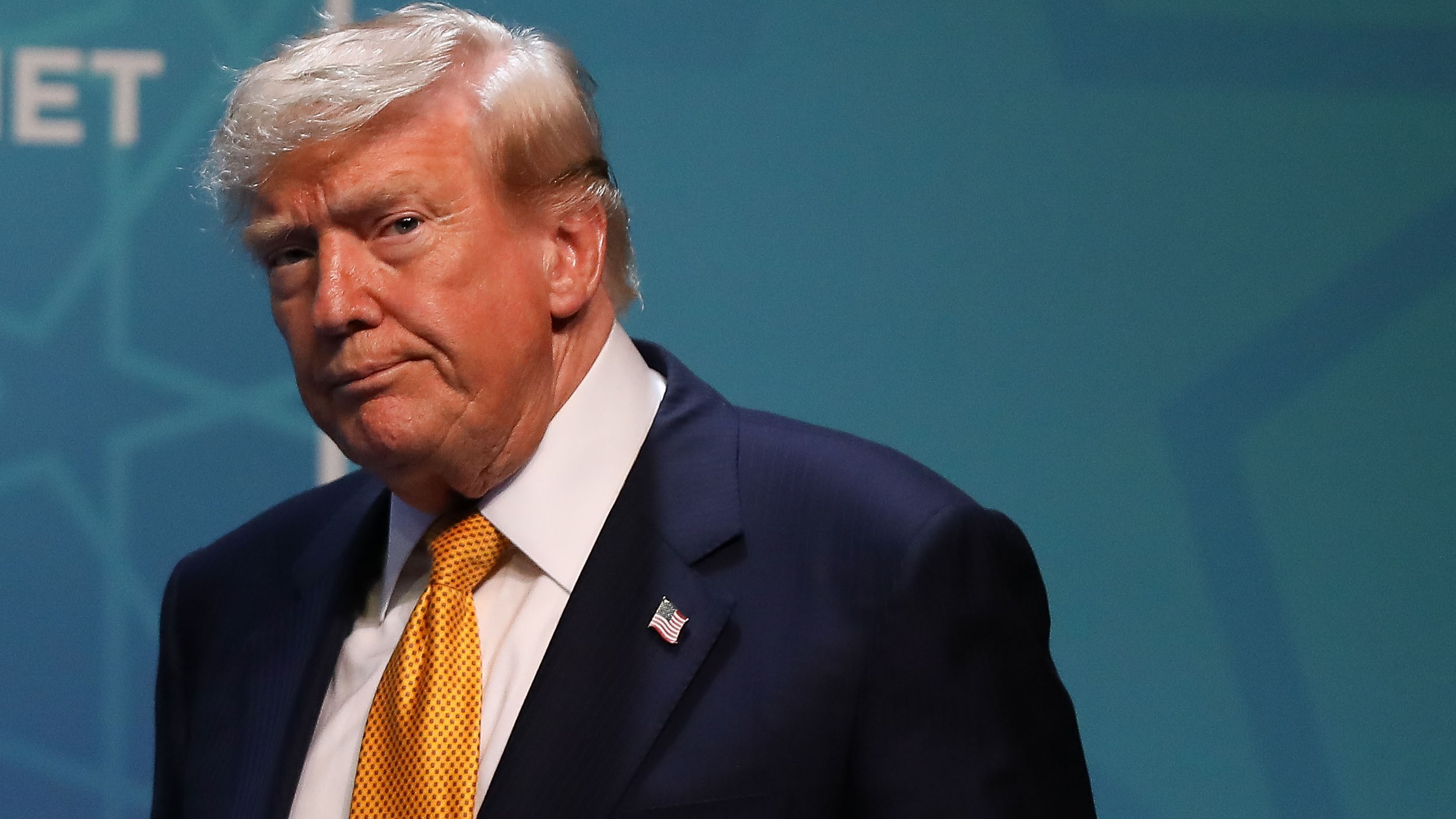
Allies of the United States are reportedly abandoning the strategy of waiting for a potential shift in American foreign policy, now anticipating that isolationism and protectionism will define U.S. policy for an extended duration. This recalibration stems from a growing conviction that even if Donald Trump does not win the upcoming presidential election, his influence on the Republican party and American foreign policy discourse will persist, leading to a sustained period of reduced international engagement. The expectation is that future U.S. administrations, regardless of party, may continue to prioritize "America First" principles, characterized by a transactional approach to alliances and a skepticism towards multilateral institutions and agreements.
This strategic re-evaluation by allies is prompting them to develop more independent defense capabilities and forge new regional partnerships. Countries that have historically relied on the U.S. security umbrella are now investing more heavily in their own military modernization and exploring closer security cooperation with neighboring nations. The potential for reduced U.S. commitment to existing security pacts, such as NATO, is a significant driver of this trend, forcing allies to consider alternative security arrangements to ensure their own stability and defense. The economic implications are also substantial, with allies preparing for potential trade disputes, tariffs, and a less predictable global trade environment driven by protectionist policies.
Furthermore, allies are adjusting their diplomatic strategies, recognizing that the U.S. may be less inclined to lead international efforts on global challenges like climate change, pandemics, and economic stability. This necessitates a greater willingness among allies to take the initiative in addressing these issues, often through coalitions of the willing or by strengthening existing international organizations without direct U.S. leadership. The long-term outlook suggests a more fragmented and multi-polar international system, where alliances are more fluid and national interests are pursued with greater autonomy. The shift in perception is not solely tied to the immediate electoral prospects of any single candidate but reflects a deeper, evolving sentiment within the U.S. that prioritizes domestic concerns over global commitments. This has led to a pragmatic acceptance among allies that they must prepare for a future where American global leadership is significantly diminished, requiring them to adapt their foreign policy and security frameworks accordingly.
Original source — read the full reporting at the publisher:
Read on The AtlanticGet the weekly AI digest
AI news + new model releases, weekly. Drafted by our agents, reviewed by humans.