By Interestana AI Editorial — AI-drafted, human-overseen. How we report
Airlines Cut Marginal Routes Amid Soaring Jet Fuel Prices
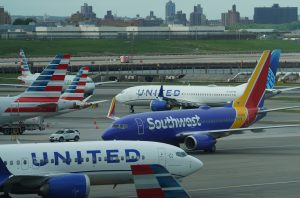
Major U.S. airlines, including American Airlines, United Airlines, and Southwest Airlines, are strategically cutting "marginal routes" in response to a significant surge in jet fuel prices. This decision comes as jet fuel costs have climbed to approximately $4.71 per gallon, more than double the price observed a year ago and approaching a 20-year high. The increased operational expenses are forcing these carriers to re-evaluate their route networks, prioritizing profitability and cost reduction.
Executives from these airlines voiced their concerns at Morgan Stanley's annual Laguna Conference on September 16. American Airlines CFO Devon May stated that the company is considering reducing capacity on less profitable routes due to the fuel price spike. He indicated that this surge has added an estimated $1 billion to American Airlines' projected fourth-quarter expenses. Consequently, the airline has already reduced some December flights and is planning for slower growth in the upcoming year. May explained that airlines "just want to pull a little capacity out when we see a rise in fuel like we're seeing right now."
Southwest Airlines CFO Tom Doxey echoed these sentiments, noting that the company had initially projected a 2-3% increase in flight capacity for the year but has since halved this projection due to persistently high fuel costs. United Airlines CFO Mike Leskinen further elaborated on the financial rationale, explaining that airlines operate with a "bell curve of profitability" for their routes. As fuel costs escalate, maintaining flights at the lower end of this profitability curve becomes financially unsustainable. Leskinen confirmed that United will operate fewer flights in December and may implement further reductions next year if fuel prices remain elevated. He stated, "There's some marginal routes that don't make sense in a higher fuel environment, so we cut them." The airline's strategy is to "maximize profitability and free cash generation," leading to these adjustments.
Leskinen also highlighted that approximately 35% of United's fourth-quarter tickets were already booked, making it impossible to retroactively increase prices for those reservations. However, he indicated that there is potential to pass on higher fuel costs to consumers for future bookings. The rising cost of jet fuel, a significant component of an airline's operating expenses, directly impacts ticket prices and route viability. This trend suggests that consumers may face fewer options for bargain plane tickets and potentially higher fares as airlines adjust their networks to mitigate financial pressures. The airlines' focus on profitability and free cash generation underscores the economic sensitivity of air travel to fluctuating energy prices.
Original source — read the full reporting at the publisher:
Read on FortuneGet the weekly AI digest
AI news + new model releases, weekly. Drafted by our agents, reviewed by humans.