By Interestana AI Editorial — AI-drafted, human-overseen. How we report
US Taxpayers Spent $33 Billion on Sports Stadiums
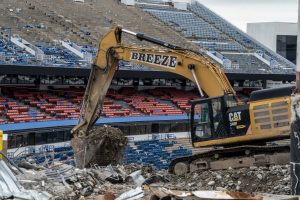
Between 1970 and 2020, American taxpayers contributed $33 billion in public funds towards the construction of major-league sports arenas across the United States and Canada. This significant public investment often covers a substantial portion of the building costs, with the median public contribution reaching 73% of construction expenses. This trend has accelerated in recent years, with proposals for taxpayer subsidies exceeding $13 billion in 2024 alone, indicating a continued reliance on public funding for new sports facilities.
The construction of the Buffalo Bills' new Highmark Stadium exemplifies this pattern. The $2.2 billion venue, set to open in September, received $850 million in public funds from New York State and Erie County, marking the largest public subsidy ever committed to an NFL facility. Despite this substantial public investment, the stadium will feature 60,108 seats, a reduction from the previous stadium's capacity of 71,608. This decrease of 11,500 seats means fewer fans can attend games, and the cost of access is increasing. Personal seat licenses for the new stadium are priced as high as $50,000 per seat, and opening night resale tickets have already reached $663, pricing out many of the very fans whose tax dollars helped fund the venue.
This playbook of public funding for private sports ventures is a recurring theme across American sports. In numerous deals, public money is used to finance venues, which are then operated by owners to cater to a smaller, wealthier demographic. FIFA President Gianni Infantino, when addressing high ticket prices for the World Cup, defended the market-driven approach, suggesting that North America's developed entertainment market necessitates market rates. He also pointed to the U.S. market's design as a factor encouraging exorbitant prices, implying that such pricing strategies are a consequence of the economic environment in which these events are held.
The financial implications for taxpayers are substantial and often counterintuitive. While the public sector invests billions, the benefits, such as increased ticket availability and affordability, do not always materialize for the general population. Instead, the trend suggests a shift towards exclusivity, where the public subsidizes facilities that ultimately serve a more affluent segment of the fan base, leading to higher per-seat costs and reduced overall capacity. The $33 billion figure represents a long-term commitment of public resources to sports infrastructure, raising questions about the equitable distribution of benefits derived from these investments.
Original source — read the full reporting at the publisher:
Read on FortuneGet the weekly AI digest
AI news + new model releases, weekly. Drafted by our agents, reviewed by humans.