By Interestana AI Editorial — AI-drafted, human-overseen. How we report
Alaska Drops Voter Cases Against American Samoans After Citizenship Status Ruling
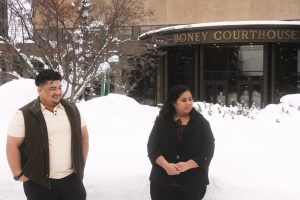
Alaska prosecutors have officially dropped voter misconduct cases against a group of 11 residents born in American Samoa, a U.S. territory whose inhabitants hold the status of U.S. nationals rather than citizens. This significant development stems from a recent ruling by a three-judge panel of the Alaska Court of Appeals, which overturned felony charges against Tupe Smith, one of the defendants. The appellate court determined that under Alaska state law, prosecutors must demonstrate that individuals who mistakenly filled out voter registration forms did so with a "consciousness of wrongdoing" and a clear intent to break the law. The panel identified procedural deficiencies in the investigation, specifically criticizing the methods used by a state trooper in questioning Smith and the subsequent grand jury process that led to her indictment. This ruling effectively nullified a lower court's decision that had previously allowed the charges against Smith to proceed.
Acting Alaska Attorney General Cori Mills issued a statement on Friday, explaining that after a thorough review of the appellate court's decision and its application to the specific facts of the cases, the Department of Law concluded that it could not prove the charges against Smith and the other defendants beyond a reasonable doubt. Her husband, Michael Pese, was also among those who had faced charges. The individuals in question all hail from the small community of Whittier, located approximately 50 miles southeast of Anchorage. They were collectively charged with falsely claiming U.S. citizenship, either during the voter registration process or when attempting to cast a ballot.
American Samoa holds a unique position among U.S. territories; its residents are not automatically granted birthright citizenship upon birth, as is the case in the 50 states and other territories like Puerto Rico or Guam. Instead, they are legally classified as U.S. nationals. While pathways to full U.S. citizenship are available through a naturalization process, this route can be both financially burdensome and procedurally complex for many residents. As U.S. nationals, individuals born in American Samoa are permitted to serve in the U.S. military, obtain U.S. passports, and participate in elections held within American Samoa itself. However, their status restricts them from holding public office in the United States and from participating in most U.S. federal elections, a distinction that has been at the heart of legal challenges and debates regarding their rights and representation.
Whitney Brown, the attorney representing Tupe Smith, released a statement on Saturday, emphasizing the legal ramifications of the appeals court's decision for individuals in similar circumstances. The ruling underscores the critical legal distinction between being a U.S. national and a U.S. citizen, particularly concerning the complexities of electoral participation and the application of U.S. law within the United States.
Original source — read the full reporting at the publisher:
Read on FortuneGet the weekly AI digest
AI news + new model releases, weekly. Drafted by our agents, reviewed by humans.