By Interestana AI Editorial — AI-drafted, human-overseen. How we report
Billionaires Buy Farmland, Risking Farmer Livelihoods
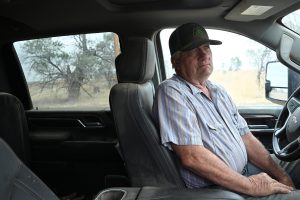
America's wealthiest individuals are increasingly purchasing large areas of farmland, engaging in activities ranging from cattle ranching to cultivating produce, a trend that raises concerns among agricultural advocates about its impact on the livelihoods of professional farmers. Meta CEO Mark Zuckerberg, for instance, is developing his $300 million Ko’olau Ranch on Kauai, Hawaii, which spans approximately 4,000 acres. He acquired the initial land in 2014 and is focused on raising Wagyu and Angus cattle, expressing particular interest in their genetics for steak production. Investor and Reddit cofounder Alexis Ohanian has also showcased his family farm in Jupiter, Florida, detailing his cultivation of banana shoots, an herb garden, and an apiary, a venture he has pursued for six years. These personal projects, while notable, represent a fraction of the extensive land acquisitions by the ultra-rich. Billionaires like Bill Gates, cofounder of Microsoft, are among the largest American landowners, possessing 275,000 acres, ranking 44th nationally according to the 2025 Land Report 100. Amazon founder Jeff Bezos owns 462,000 acres, and Stan Kroenke, owner of the Los Angeles Rams and husband to Walmart heiress Ann Walton Kroenke, commands an impressive 2.7 million acres. Neither Zuckerberg nor Ohanian are listed among the top 100 landowners. Farmland has emerged as a significant asset class, valued at $4.3 trillion, with its appeal growing among the ultra-wealthy. For many, farmland serves as a hedge against inflation and the inherent volatility of more conventional investment assets. The average value of U.S. farms reached approximately $4,350 per acre last year, marking a 4.3% increase. This escalating demand from high-net-worth individuals is contributing to rising land prices, making it increasingly difficult for established farmers and new entrants to acquire or retain farmland. The trend highlights a growing divide where personal enrichment and hobby farming by the ultrarich may inadvertently undermine the economic viability of commercial agriculture, which forms the backbone of food production. The long-term implications for food security and rural economies are a subject of ongoing debate and concern within the agricultural sector. The financial power of billionaires allows them to outbid traditional agricultural operations, potentially leading to consolidation of land ownership and a shift away from diversified farming practices. This dynamic raises questions about land use, conservation efforts, and the future of farming communities across the United States.
Original source — read the full reporting at the publisher:
Read on FortuneGet the weekly AI digest
AI news + new model releases, weekly. Drafted by our agents, reviewed by humans.