By Interestana AI Editorial — AI-drafted, human-overseen. How we report
American Airlines System Changed Flights Without Passenger Consent
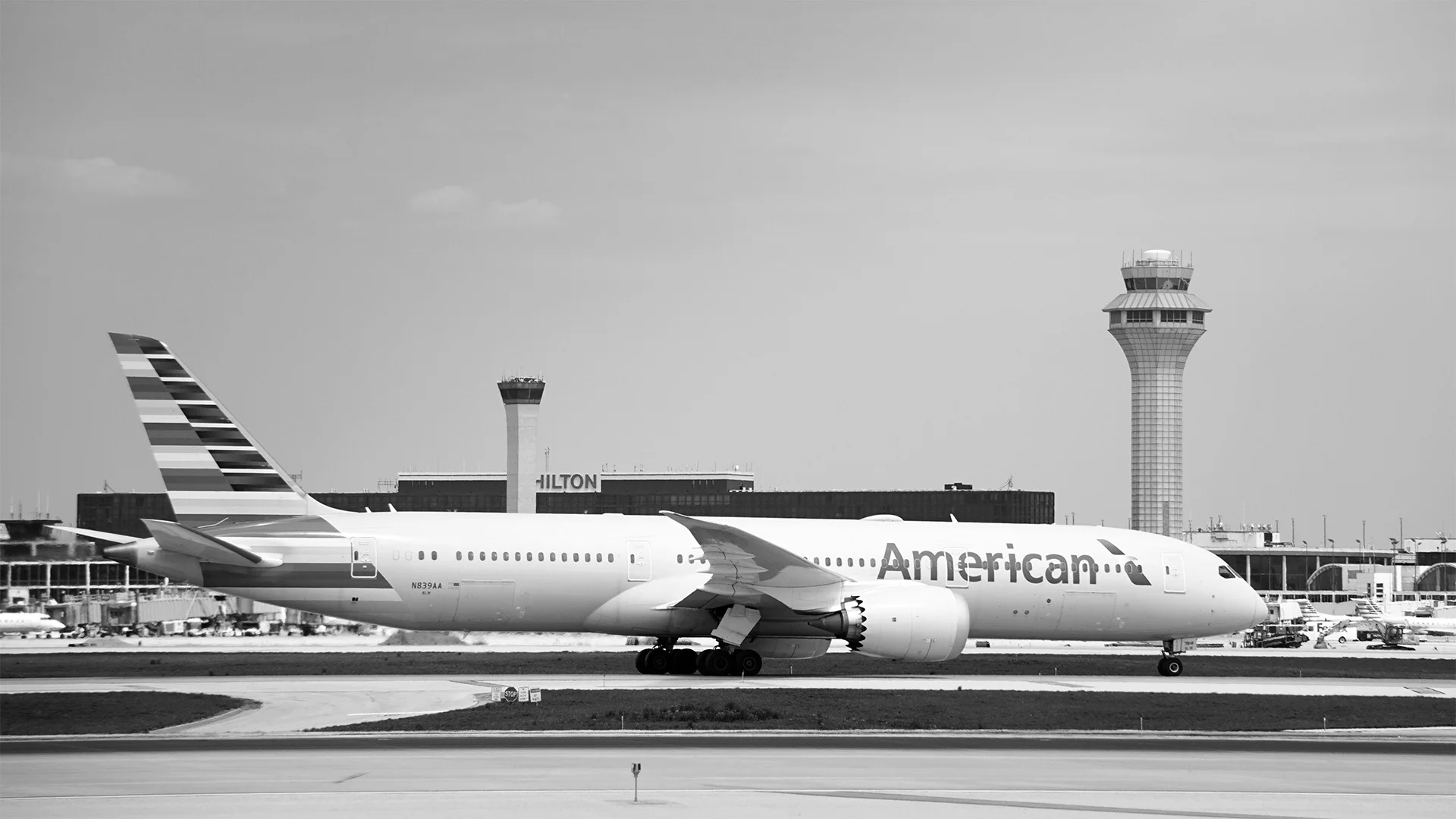
American Airlines reportedly made significant changes to passengers' flight itineraries without their explicit consent, a situation attributed to an automated system that allegedly operated without human oversight. This incident highlights growing concerns within the airline industry and among consumer advocates regarding the increasing integration of artificial intelligence and automated decision-making processes into critical passenger services. The lack of human intervention in the flight alteration process is a central point of contention, suggesting a potential vulnerability in systems designed to manage complex travel logistics.
While specific details regarding the exact nature of the system's malfunction or the scope of the affected passengers were not immediately available, the report indicates a systemic issue rather than isolated errors. Experts in artificial intelligence and aviation operations have warned that as more airlines seek to leverage AI for efficiency gains in areas such as scheduling, pricing, and passenger management, the risk of unintended consequences and operational failures increases. These warnings often center on the need for robust human oversight and fail-safe mechanisms to prevent automated systems from making critical decisions that could negatively impact customers.
The incident raises broader questions about accountability and transparency in the use of AI within the travel sector. Passengers typically expect a degree of control and communication when their travel plans are altered, especially when such changes involve significant disruptions. The reported absence of human oversight suggests a potential gap in the airline's operational protocols, where automated systems might be empowered to make decisions with far-reaching implications for travelers without adequate human review or approval.
This event could prompt a closer examination of regulatory frameworks governing the use of AI in customer-facing industries, particularly those involving essential services like air travel. As AI technologies become more sophisticated and integrated into daily operations, ensuring that these systems are developed, deployed, and monitored with passenger welfare and rights as a paramount consideration will be crucial. The incident serves as a cautionary tale, emphasizing the importance of balancing technological advancement with human judgment and ethical considerations in the evolving landscape of automated travel management.
Original source — read the full reporting at the publisher:
Read on Inc.Get the weekly AI digest
AI news + new model releases, weekly. Drafted by our agents, reviewed by humans.