By Interestana AI Editorial — AI-drafted, human-overseen. How we report
America Needs More Public Displays of Affection, Opinion Piece Argues
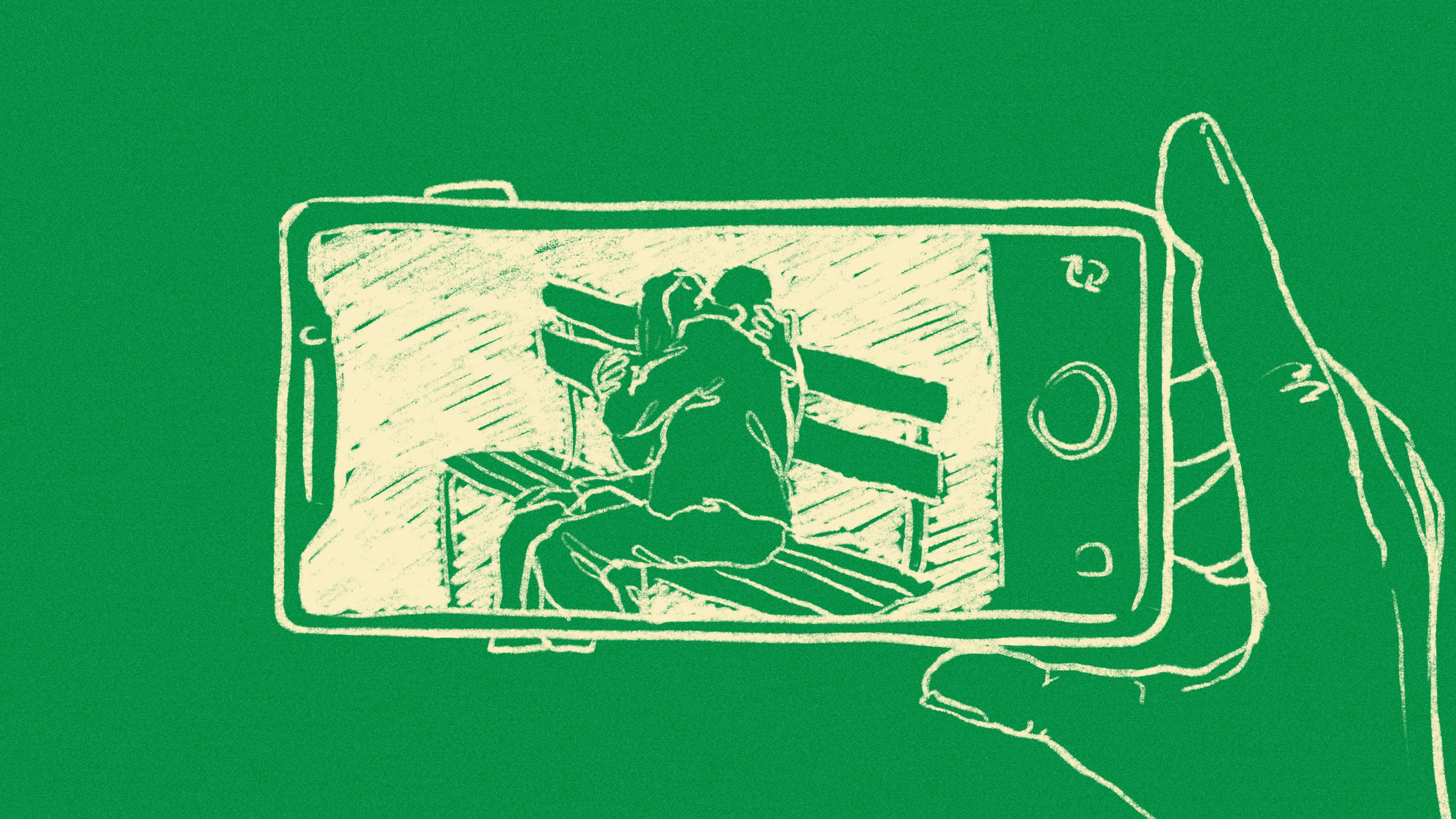
An opinion piece argues that public displays of affection (PDA) in the United States are subjected to excessive ridicule, advocating for a more accepting societal stance. The author contends that common affectionate gestures, such as hand-holding, hugging, or kissing between consenting adults, are frequently met with discomfort, judgment, or disapproval. This negative reaction, the piece suggests, is indicative of a broader cultural tendency towards prudishness or an underlying discomfort with overt emotional expression, particularly when contrasted with many other Western cultures where such behaviors are more normalized and less scrutinized.
The article posits that this cultural aversion to PDA has wider implications, potentially contributing to a less emotionally expressive and open society. It implies that the U.S. lags behind in its comfort with public intimacy, a sentiment often observed when comparing American social norms to those in European or Latin American countries, for instance. The author clarifies that the argument is not for unrestrained or inappropriate behavior, but rather for a more relaxed and tolerant attitude towards everyday expressions of affection. The central thesis is that normalizing these actions would cultivate a more inclusive, less judgmental, and ultimately more emotionally healthy social environment.
Furthermore, the piece speculates that the discomfort surrounding PDA might be rooted in historical, religious, or puritanical influences that have shaped American social mores over centuries. While acknowledging that diverse cultures maintain varying standards for public conduct, the author believes the United States could significantly benefit from a cultural shift towards greater openness and acceptance. The call is for a re-evaluation of what constitutes acceptable public behavior, encouraging individuals to be less critical of others' genuine expressions of affection and to foster an atmosphere where human connection is not a source of embarrassment or shame. The underlying sentiment is that a society that embraces rather than shuns public displays of affection is likely to be more emotionally resilient and accepting overall. The author's perspective is that the current level of ridicule is not only excessive but also counterproductive to fostering positive social interactions and promoting individual and collective emotional well-being.
Original source — read the full reporting at the publisher:
Read on The AtlanticGet the weekly AI digest
AI news + new model releases, weekly. Drafted by our agents, reviewed by humans.