By Interestana AI Editorial — AI-drafted, human-overseen. How we report
US Faces Massive Labor Shortage Despite Open Jobs
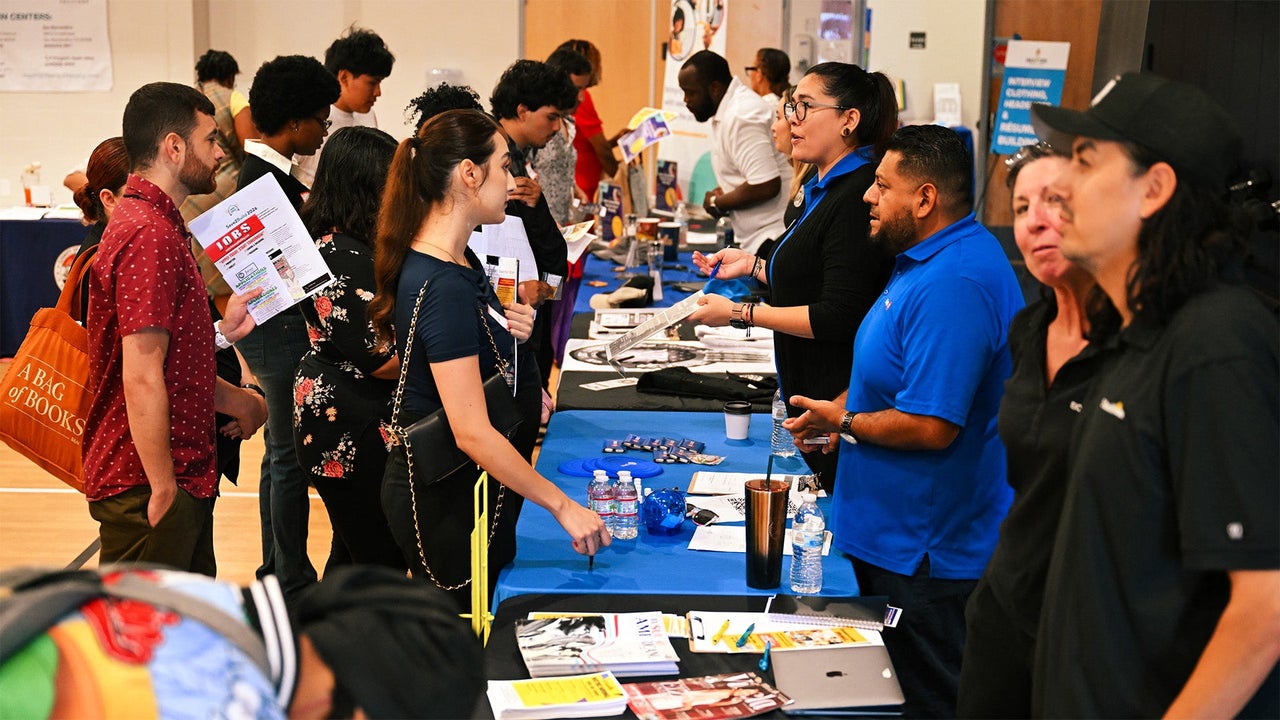
The United States is experiencing a significant paradox in its labor market, characterized by millions of unfilled job openings alongside a substantial number of individuals struggling to find employment. This disconnect is not due to a lack of jobs or a shortage of potential workers, but rather a growing failure in the connection between employers and candidates. While discussions often focus on the impact of artificial intelligence on employment, a more profound and less visible challenge is emerging: the U.S. is on track for one of the largest labor shortages in its history. Research from the Lightcast project forecasts a gap of approximately 6 million workers by the year 2032. Compounding this issue, Georgetown University's Center on Education and the Workforce projects a deficit of 5.25 million workers requiring education beyond high school, including 4.5 million who will need at least a bachelor's degree. This projected shortage is attributed to a combination of ongoing retirements and continued job growth that is outpacing the supply of qualified talent.
Business owners frequently question why, given the scale of the projected shortage, it remains difficult for many to hire suitable candidates. A key factor contributing to this situation is a declining labor force participation rate. While the national unemployment rate is reported at a low 4.2%, the labor force participation rate, which measures the percentage of adults either employed or actively seeking employment, has fallen to 61.5%. This indicates that a significant portion of the adult population is not engaged in the workforce. Furthermore, the duration of unemployment is a growing concern, with more than a quarter of unemployed workers having been jobless for six months or longer. The current landscape shows more available jobs than unemployed individuals to fill them, highlighting a structural mismatch rather than a simple scarcity of labor.
This widening gap between available jobs and the workforce is exacerbated by several underlying trends. The aging population and the retirement of baby boomers are reducing the number of experienced workers. Simultaneously, the skills required for many in-demand jobs are evolving rapidly, driven by technological advancements, creating a mismatch between the skills possessed by job seekers and those sought by employers. Many individuals may lack the specific technical or soft skills necessary for roles in sectors like advanced manufacturing, healthcare, or technology. Educational and training systems are struggling to adapt quickly enough to equip the workforce with these in-demand competencies. The problem is not just about having enough people, but about having people with the right skills for the jobs that are available and projected to emerge.
Addressing this complex labor shortage requires a multi-faceted approach. It involves not only efforts to increase labor force participation through initiatives like improved childcare access and support for older workers re-entering the workforce, but also significant investment in skills development and reskilling programs. Businesses, educational institutions, and government agencies must collaborate to align training curricula with industry needs and to create pathways for individuals to acquire the qualifications for high-demand occupations. Furthermore, policies that support lifelong learning and facilitate career transitions will be crucial in ensuring that the U.S. workforce can meet the challenges of the evolving economy and avoid the projected substantial labor deficit.
Original source — read the full reporting at the publisher:
Read on Fast CompanyGet the weekly AI digest
AI news + new model releases, weekly. Drafted by our agents, reviewed by humans.