By Interestana AI Editorial — AI-drafted, human-overseen. How we report
US Needs Better Small EVs Over Faster E-Bikes
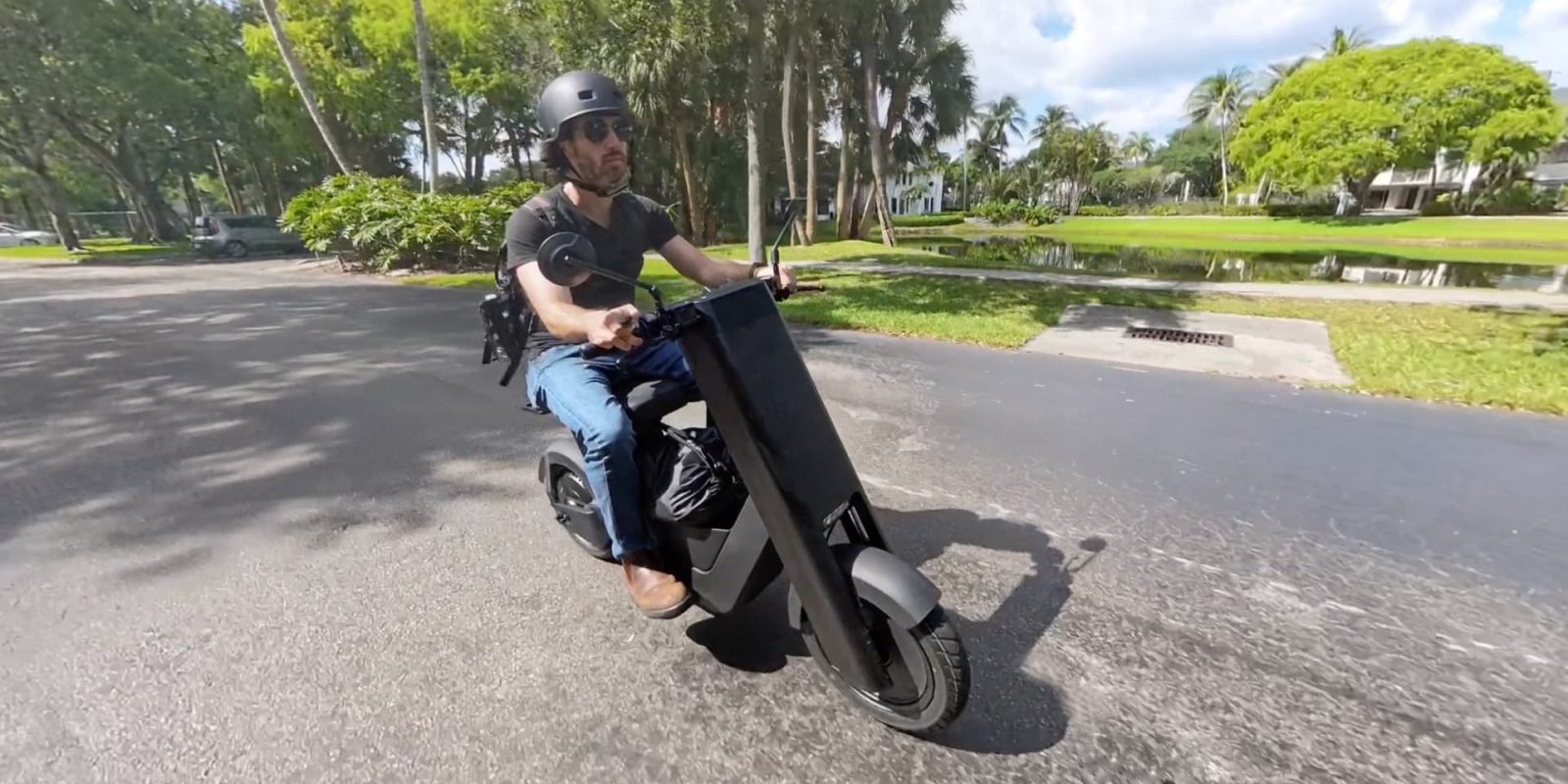
The electric bicycle industry has experienced a sustained period of development characterized by an "arms race" to produce models with increased speed, greater power output, larger battery capacities, and styling that increasingly resembles motorcycles. This trend has led to recurring discussions about whether electric bikes should be made even faster. However, the prevailing argument is that this focus on speed is misplaced and that the United States would benefit more from the development of superior small electric vehicles. The current trajectory of e-bike development, with its emphasis on enhanced performance metrics, overlooks a more significant opportunity to address urban mobility and transportation needs through a different class of electric vehicle.
The core of the argument suggests that the pursuit of faster and more powerful e-bikes is a misdirection of resources and innovation. Instead of pushing the boundaries of what electric bicycles can do in terms of speed and power, which can raise safety concerns and regulatory challenges, the focus should shift to creating a broader range of small electric vehicles. These vehicles could encompass a variety of form factors and functionalities designed to meet diverse urban transportation requirements. The current e-bike market, while innovative, is seen as having reached a point where incremental speed increases offer diminishing returns and potentially create more problems than they solve.
Developing better small electric vehicles, as opposed to faster e-bikes, could unlock a wider array of benefits for urban environments and consumers. This category could include compact electric cars, advanced electric scooters, and other micro-mobility solutions that offer greater utility, safety, and comfort than even the most powerful e-bikes. Such vehicles could provide a more practical alternative for commuting, running errands, and transporting goods, especially in densely populated areas where parking and traffic congestion are significant issues. The potential for these vehicles to integrate advanced safety features, weather protection, and increased cargo capacity far exceeds what is feasible or desirable for electric bicycles.
The current regulatory landscape for e-bikes is already complex, with varying classifications and speed limits across different jurisdictions. Further increasing their speed and power could exacerbate these regulatory challenges and potentially lead to stricter controls or outright bans in some areas. By contrast, a concerted effort to develop a new generation of small electric vehicles could be guided by clearer regulatory frameworks from the outset, fostering innovation while ensuring safety and integration into existing transportation infrastructure. This strategic shift would allow for a more comprehensive approach to electrifying personal transportation, moving beyond the limitations of the current e-bike paradigm to a more versatile and impactful future.
Original source — read the full reporting at the publisher:
Read on ElectrekGet the weekly AI digest
AI news + new model releases, weekly. Drafted by our agents, reviewed by humans.