By Interestana AI Editorial — AI-drafted, human-overseen. How we report
AMD Launches Confusing Ryzen 200/100 Laptop Chips
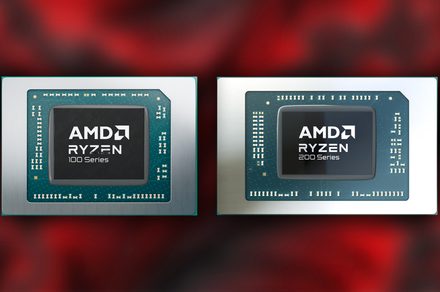
AMD expanded its mobile processor lineup on January 9, 2024, with the introduction of 11 new Ryzen 200 and Ryzen 100 series processors. These new chips are built on the Hawk Point architecture, which is an iterative update to the existing Rembrandt architecture. The primary confusion stems from AMD's continued use of a naming scheme that does not clearly differentiate between generations or performance tiers, making it difficult for consumers to discern the latest and most capable options.
The Ryzen 200 series processors, such as the Ryzen 5 2600 and Ryzen 7 2700, are positioned as mainstream performance chips. The Ryzen 100 series, including models like the Ryzen 3 1200 and Ryzen 5 1300, are intended for entry-level or ultra-portable devices. Despite the new series designations, these processors largely share core specifications and performance characteristics with their predecessors from the 7000 series, which were based on the Rembrandt architecture. For instance, the Ryzen 7 2700U and the previous Ryzen 7 7730U share the same core count and clock speeds, indicating a rebrand rather than a significant architectural leap.
AMD's Hawk Point architecture offers modest improvements in power efficiency and integrated graphics capabilities compared to Rembrandt. However, the company's decision to introduce new series numbers without a clear generational marker has drawn criticism. This strategy contrasts with Intel's more distinct generational numbering for its mobile processors, which typically allows consumers to more easily identify newer technology. The lack of clarity in AMD's naming convention could lead to purchasing decisions based on outdated information or a misunderstanding of the actual performance differences between models.
This move by AMD appears to be an effort to refresh its existing mobile offerings without the need for a full architectural overhaul, allowing for continued production of chips based on mature process nodes. The company aims to provide a wider range of options for laptop manufacturers seeking to build devices across various price points. However, the complexity of the naming scheme necessitates careful research by consumers to ensure they are selecting the most appropriate processor for their needs, as the numbers alone do not guarantee a generational upgrade.
Original source — read the full reporting at the publisher:
Read on Digital TrendsGet the weekly AI digest
AI news + new model releases, weekly. Drafted by our agents, reviewed by humans.