By Interestana AI Editorial — AI-drafted, human-overseen. How we report
AMC CEO Urges Robinhood to Halt Stock Token Issuance
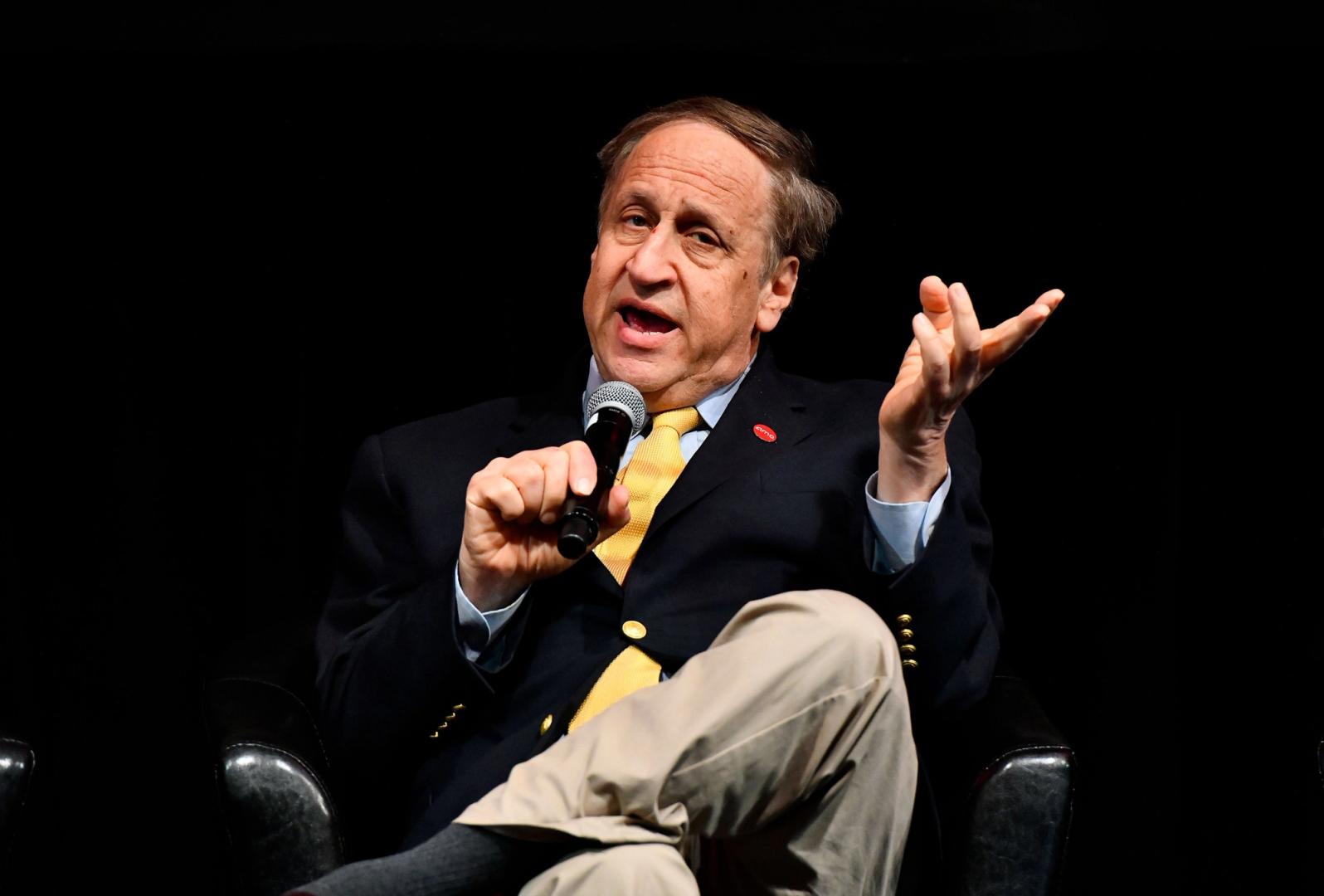
Adam Aron, the CEO of AMC Entertainment, formally requested that Robinhood, a popular commission-free trading platform, cease the issuance of synthetic AMC stock tokens. Aron articulated his concerns in a public statement, asserting that these tokenized securities could potentially divert demand away from the actual, publicly traded AMC shares. Furthermore, he argued that the synthetic nature of these tokens could strip investors of fundamental shareholder rights, such as voting privileges and the ability to participate in corporate actions. This stance from AMC's leadership highlights a growing tension between traditional equity markets and the burgeoning world of tokenized assets, particularly concerning their implications for investor protection and market integrity.
Robinhood's offering of stock tokens, which are essentially digital representations of underlying shares, allows users to trade these assets on the blockchain. While proponents suggest this innovation could increase liquidity and accessibility, critics like Aron point to potential risks. The core of Aron's argument revolves around the distinction between owning a direct share in a company and owning a token that merely tracks the share's price. In the case of synthetic tokens, the issuer, rather than the investor, directly holds the underlying shares. This structure can create a disconnect, as token holders may not possess the same legal standing or economic rights as traditional shareholders. For instance, during crucial corporate events like mergers, acquisitions, or shareholder votes, token holders might be excluded or their participation significantly diluted.
Industry executives have begun to weigh in on the debate initiated by Aron's statement. Some executives within the tokenization space have expressed support for Aron's concerns, acknowledging the need for clearer regulatory frameworks and robust investor protections for tokenized securities. These executives often emphasize that the responsible development of tokenized assets requires a thorough understanding of their potential impact on existing market structures and investor rights. The conversation extends beyond AMC, touching upon the broader implications for how digital assets interact with traditional financial instruments and the regulatory challenges that arise from this convergence. The debate underscores the nascent stage of digital asset integration into mainstream finance and the ongoing efforts to reconcile innovation with established principles of corporate governance and investor safeguarding.
The issuance of synthetic AMC stock tokens by Robinhood represents a specific instance of a broader trend: the exploration of blockchain technology to create new forms of financial instruments. While the intention may be to enhance market efficiency and user experience, the potential for unintended consequences, such as market manipulation, reduced transparency, or the erosion of shareholder rights, necessitates careful consideration. Aron's direct appeal to Robinhood signifies a proactive approach by a public company to safeguard its shareholders and the integrity of its stock. The response from Robinhood and further industry commentary will be critical in shaping the future landscape of tokenized equities and their integration into the global financial system.
Original source — read the full reporting at the publisher:
Read on CoinDeskGet the weekly AI digest
AI news + new model releases, weekly. Drafted by our agents, reviewed by humans.