By Interestana AI Editorial — AI-drafted, human-overseen. How we report
Altitude Sickness Brings Stocks Down — Hard
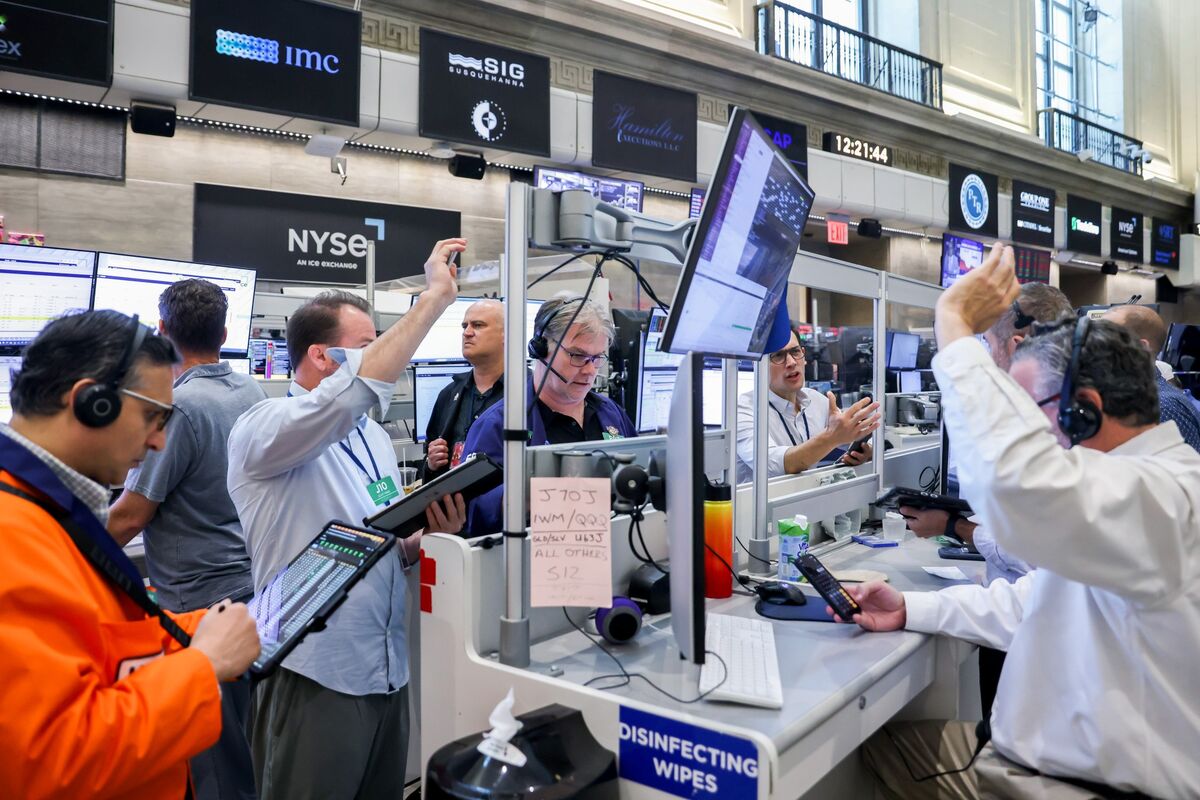
The recent surge in Initial Public Offerings (IPOs), notably including Elon Musk's SpaceX, is exacerbating a condition known as "IPO fatigue" within the stock market, leading to a downturn in stock valuations. This phenomenon, characterized by investor weariness and a subsequent decline in the performance of newly public companies, is a direct consequence of an oversaturated IPO market. When too many companies go public simultaneously, investors' capital becomes thinly spread, and the sheer volume of new offerings can overwhelm market absorption capacity. This leads to a "flight to quality," where investors prioritize more established or perceived safer investments, leaving newer, less-proven companies to struggle.
SpaceX's potential IPO, valued at approximately $180 billion, is a significant contributor to this market pressure. The company's high valuation and the anticipation surrounding its public debut draw considerable investor attention and capital, potentially diverting resources from other upcoming IPOs. This intensified competition for investor funds can depress the initial trading prices and subsequent performance of other newly listed companies. The "IPO fatigue" is not merely a theoretical concern; it manifests in tangible stock market performance. Many companies that have recently gone public are experiencing significant drops in their stock prices post-IPO, failing to meet initial investor expectations and analyst valuations. This trend suggests a broader market sentiment shift, where the initial excitement of an IPO is quickly replaced by a more critical assessment of a company's long-term viability and profitability.
The implications of this IPO fatigue extend beyond individual company performances. A sustained period of underperforming IPOs can dampen investor appetite for new public offerings altogether, potentially slowing down capital formation for innovative companies and startups. This could have a ripple effect on economic growth, as IPOs are a crucial mechanism for companies to raise capital for expansion, research and development, and job creation. Furthermore, a cooling IPO market can impact venture capital firms and angel investors who rely on successful exits through public offerings to realize returns on their investments. The current market environment, therefore, presents a complex challenge for both companies seeking to go public and investors looking for opportunities in the public markets, with the success of high-profile offerings like SpaceX's potentially acting as a double-edged sword.
Original source — read the full reporting at the publisher:
Read on Bloomberg MarketsGet the weekly AI digest
AI news + new model releases, weekly. Drafted by our agents, reviewed by humans.