By Interestana AI Editorial — AI-drafted, human-overseen. How we report
30% of Americans Use BNPL for Groceries, Raising Prices
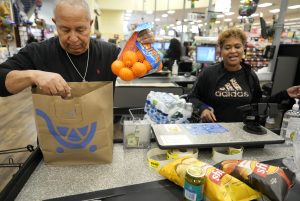
Approximately 30% of Americans have utilized buy now, pay later (BNPL) services to finance grocery purchases, a trend that economists suggest could lead to higher prices for all consumers. A study conducted by researchers at the University of Washington in St. Louis, slated for publication in the journal Management Science, indicates that as more consumers rely on BNPL for essential items, retailers may respond by increasing prices and reducing inventory. This phenomenon is particularly noticeable for smaller, necessary shopping trips.
A Lending Tree survey released in July revealed that 29% of U.S. consumers reported using BNPL loans for groceries, a substantial increase from 14% two years prior. This surge in BNPL usage for necessities is occurring within a broader context of an affordability crisis, characterized by rising healthcare and childcare expenses, and persistent high inflation. The Federal Reserve Bank of Richmond noted that 91.5 million Americans are using BNPL apps such as Klarna, Affirm, and Afterpay to finance their purchases. While BNPL transactions experienced a 20% growth from 2021 to 2025, they still constitute a small fraction, approximately 1%, of overall credit card transactions.
Researchers, including Professor Panos Kouvelis from WashU’s Olin Business School, investigated the appeal of BNPL models for retailers, who incur merchant fees for each BNPL transaction. The study's authors constructed an economic model that accounted for both consumer capacity and willingness to use BNPL, as well as retailers' profit expectations. Their findings suggest that retailers tend to raise their base prices to compensate for the merchant fees associated with BNPL services. This price adjustment means that consumers who pay in full may effectively subsidize the costs incurred by those using BNPL, leading to a general price increase across the board. The study's methodology involved analyzing consumer behavior and retailer pricing strategies in response to the growing adoption of BNPL for everyday purchases, highlighting a complex interplay between consumer financing choices and market dynamics. The implications of this research extend to broader economic discussions about consumer debt, inflation, and the evolving retail landscape.
Original source — read the full reporting at the publisher:
Read on FortuneGet the weekly AI digest
AI news + new model releases, weekly. Drafted by our agents, reviewed by humans.