By Interestana AI Editorial — AI-drafted, human-overseen. How we report
Ship Air Pollution May Harm More Than Road Traffic
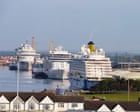
Air pollution originating from cruise ships may pose a greater health risk than emissions from road traffic, according to a comprehensive study conducted by 32 researchers in Southampton. The investigation, which commenced in 2018, focused on the air quality around the city's busy port, a hub for over 2.5 million cruise passengers in 2025 and the UK's primary vehicle and deep-sea trading port. The research, published in a peer-reviewed journal, specifically highlights the potential harm associated with ultrafine particles emitted by ships.
These ultrafine particles, a component of ship emissions, have been linked to a reduced ability of the human body to resist common viral infections. This finding suggests a more insidious impact on public health compared to the effects of road traffic pollution, which has been a long-standing focus of environmental and health regulations. The study's findings are particularly relevant given Southampton's significant maritime activity and its population of 260,000 residents who are downwind of the port operations. The researchers' work provides critical data on the specific composition and health implications of emissions from large vessels.
The research team's investigation utilized advanced air quality monitoring techniques and epidemiological analysis to draw their conclusions. The study's results indicate that the specific chemical and physical properties of ultrafine particles from ships may interact with the respiratory system in ways that compromise immune defenses more severely than typical urban air pollutants from vehicles. This distinction is crucial for public health policy and environmental regulation, suggesting a need for targeted strategies to mitigate the impact of maritime emissions.
Southampton's port infrastructure, including its facilities for cruise liners and cargo ships, generates substantial emissions. The study's findings underscore the importance of understanding the cumulative impact of various pollution sources in densely populated port cities. The research team's detailed analysis contributes to a growing body of evidence suggesting that the environmental and health burdens from shipping activities require more rigorous assessment and control measures. The implications extend beyond Southampton, offering a model for similar port cities worldwide to evaluate their own air quality challenges and the specific risks posed by maritime traffic.
Original source — read the full reporting at the publisher:
Read on The Guardian EnvironmentGet the weekly AI digest
AI news + new model releases, weekly. Drafted by our agents, reviewed by humans.