By Interestana AI Editorial — AI-drafted, human-overseen. How we report
Indonesia Earthquake Triggers Aid Shortages and Starvation Fears
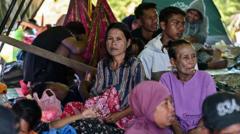
An earthquake struck Indonesia early on Saturday, resulting in 53 fatalities and displacing thousands of residents. The disaster has led to significant shortages of essential aid, sparking widespread fears of starvation among the affected population. The Indonesian government has initiated rescue and relief operations, but the scale of the devastation presents substantial logistical challenges. Initial reports indicate that critical infrastructure, including roads and communication lines, has been severely damaged, hindering the immediate delivery of food, water, and medical supplies to remote areas. Emergency services are working to assess the full extent of the damage and to reach all communities impacted by the seismic event. The Indonesian National Board for Disaster Management (BNPB) is coordinating the distribution of aid, but the immediate needs of the displaced population are immense. Many survivors are reportedly without shelter and are struggling to access basic necessities. The earthquake's epicenter was located in a region already vulnerable to natural disasters, compounding the existing challenges faced by local communities. International aid organizations are being mobilized to support the national relief efforts, but the logistical complexities of reaching the affected areas are significant. The government has appealed for both domestic and international assistance to address the growing humanitarian crisis. The immediate focus is on providing emergency shelter, food, and medical care to those who have lost their homes and livelihoods. The long-term recovery efforts will require substantial investment and planning to rebuild infrastructure and support the affected communities in their return to normalcy. The government has pledged to provide financial assistance to families who have lost loved ones and to those whose homes have been destroyed. However, the immediate aftermath of the earthquake is characterized by a desperate need for immediate relief supplies and a growing concern for the well-being of thousands of displaced individuals facing the threat of starvation. The situation remains critical as rescue teams continue their efforts and aid convoys attempt to navigate the damaged terrain to reach those in need. The earthquake's magnitude and depth are being analyzed by seismologists to understand the geological factors that contributed to its destructive power. The Indonesian archipelago is situated on the Pacific Ring of Fire, an area known for its frequent seismic activity and volcanic eruptions, making it susceptible to such devastating events. The government's response strategy includes not only immediate relief but also plans for long-term reconstruction and disaster preparedness to mitigate the impact of future seismic events. The humanitarian crisis unfolding in the wake of the earthquake underscores the urgent need for swift and effective aid delivery to prevent a further escalation of suffering and to avert a widespread famine.
Original source — read the full reporting at the publisher:
Read on BBC World NewsGet the weekly AI digest
AI news + new model releases, weekly. Drafted by our agents, reviewed by humans.