By Interestana AI Editorial — AI-drafted, human-overseen. How we report
Nepal Floods: Aid Efforts Stymied by Devastation and Treacherous Conditions
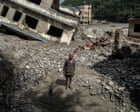
Aid operations in Nepal are facing significant challenges in the aftermath of devastating flash floods that have impacted the country and Tibet, leaving thousands of people missing and communities in ruins. The scale of the disaster, which struck a week prior to the reporting, has left survivors in a state of profound grief and displacement. Guardian reporters on the ground have witnessed firsthand the scenes of destruction and the immense human suffering. The treacherous conditions, including the obliteration of roads and vital infrastructure, are severely hampering the delivery of essential aid to affected populations. Survivors who managed to escape the rising waters by fleeing to higher ground are still being collected and evacuated by army helicopters, underscoring the ongoing emergency response.
The mountain village of Syabru Besi stands as a stark example of the devastation. It has been almost entirely wiped out by the flash floods. According to local government officials, approximately 500 people, representing a quarter of the village's total population, are currently unaccounted for. The once-thriving settlement now resembles a muddy riverbed, with only a single building left standing. This level of destruction highlights the immense scale of the disaster and the urgent need for comprehensive relief efforts to support the surviving population and to account for the missing.
Guardian reporters Hannah Ellis-Petersen and Gaurav Pokharel, accompanied by photographer Ahmer Khan, have been documenting the critical situation in the Betrawati and Rasuwa districts. Ellis-Petersen has provided a poignant account of the devastation, describing the scene alongside harrowing footage of the debris left behind by the floods. Their reporting includes direct interviews with survivors who are grappling with the immense loss of their homes, livelihoods, and loved ones. The human suffering in the region is palpable, as families return to survey what remains of their communities, often finding only devastation.
The ongoing logistical difficulties in reaching many of the most affected areas, coupled with the sheer scale of the damage to infrastructure, present a formidable obstacle to relief agencies. The destruction of critical infrastructure, such as roads and bridges, isolates numerous communities, making it exceedingly difficult to transport essential supplies and personnel. The reliance on army helicopters for evacuations further emphasizes the inaccessibility of many regions, highlighting the severity of the breakdown in normal transportation networks. The situation demands a sustained and coordinated international response to address the immediate humanitarian needs, including shelter, food, and medical care, and to support the long-term recovery and rebuilding efforts for the affected populations in Nepal and Tibet.
Original source — read the full reporting at the publisher:
Read on The Guardian WorldGet the weekly AI digest
AI news + new model releases, weekly. Drafted by our agents, reviewed by humans.