By Interestana AI Editorial — AI-drafted, human-overseen. How we report
AI Amplifies Existing Leadership Habits, Both Good and Bad
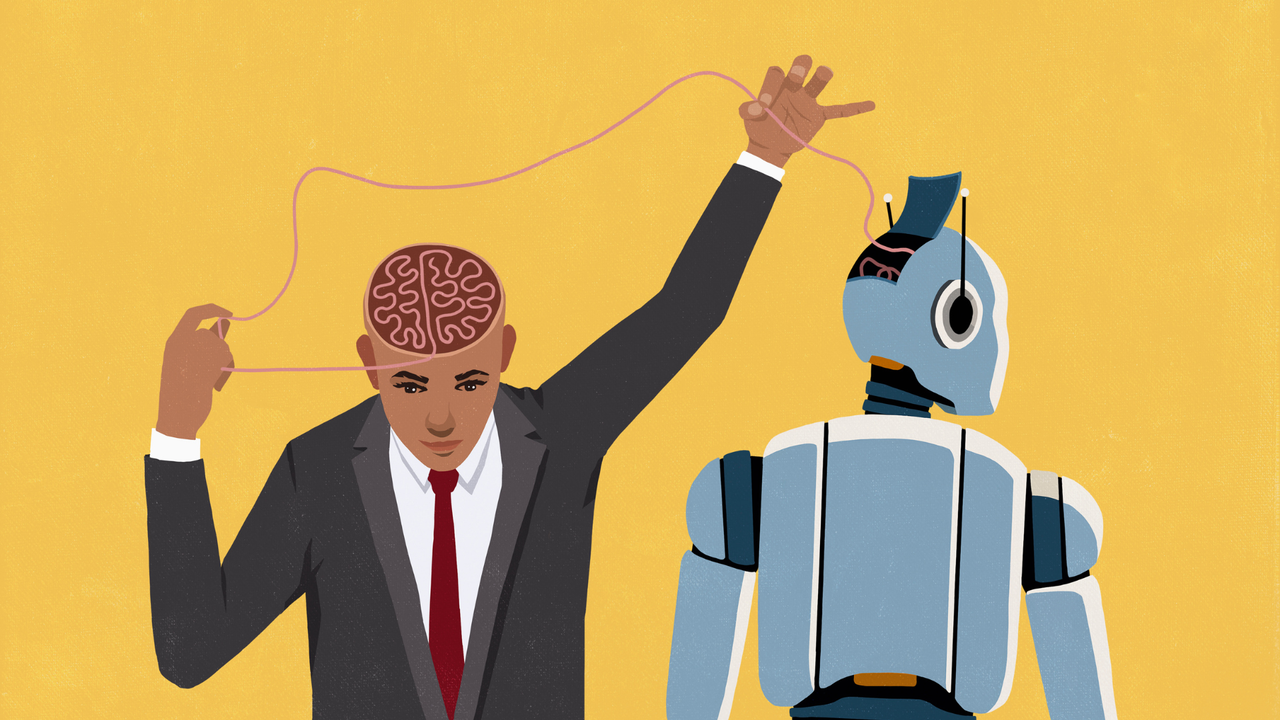
Artificial intelligence tools, when implemented within organizations, have the capacity to amplify existing leadership habits, making both positive and negative patterns more pronounced and difficult to alter. This phenomenon was observed when two individuals on the same leadership team utilized an AI tool in the same quarter with divergent outcomes, illustrating how the technology interfaces with pre-existing leadership "source code." One leader, facing a stalled project, used the AI to generate a status update that minimized difficulties. The AI produced a polished, confident response, which the dashboard interpreted as project completion, effectively masking the underlying issues. This action reflected a leadership tendency to downplay problems, a pattern that the AI accelerated and made more convincing. In contrast, another leader, tasked with a difficult decision, provided the AI with a comprehensive overview of the risks, objections, and shortcomings of various options. The AI compressed a decision-making process that would typically require three weeks of meetings into a single afternoon, by efficiently processing the provided information. This outcome demonstrated how AI can expedite effective, data-driven decision-making when such a leadership approach is already in place. The core principle is that AI does not fundamentally change leadership but rather accelerates and makes more visible what is already operating beneath the surface. This "leader's source code," as described by the author, encompasses automatic patterns in how leaders process uncertainty, direct their attention under pressure, and unconsciously reward or avoid certain behaviors. Teams learn these ingrained patterns by observing what receives positive reinforcement and what is penalized, subsequently building the organizational system around these implicit cues. Any adopted technology, including AI, then integrates with and operates within this established system. The impact of AI on leadership habits is evident even in mundane tasks, such as meeting summaries. If a meeting culture tends to smooth over disagreements before they are fully articulated, an AI notetaker will likely reflect and reinforce this tendency, producing summaries that omit or downplay conflict. Conversely, in environments where open discussion and constructive debate are encouraged, AI tools can facilitate more transparent and productive record-keeping. The author emphasizes that conversations around AI in boardrooms often focus on technology, budget, and competitive strategy, neglecting the crucial aspect of what truly generates organizational results: the underlying leadership behaviors. By making these patterns faster and more visible, AI presents a "least forgiving version" of a leader's inherent tendencies. This means that positive leadership traits, such as decisive action and clear communication, can be significantly enhanced, while negative traits, like avoidance of difficult conversations or a tendency to overlook risks, can become more entrenched and harder to address. The implication is that leaders must first understand and address their own "source code" before leveraging AI, to ensure the technology serves to enhance effective leadership rather than perpetuate detrimental habits.
Original source — read the full reporting at the publisher:
Read on Fast CompanyGet the weekly AI digest
AI news + new model releases, weekly. Drafted by our agents, reviewed by humans.