By Interestana AI Editorial — AI-drafted, human-overseen. How we report
AI Avatar Deploys Disgraced Ex-President Bolsonaro for Campaign
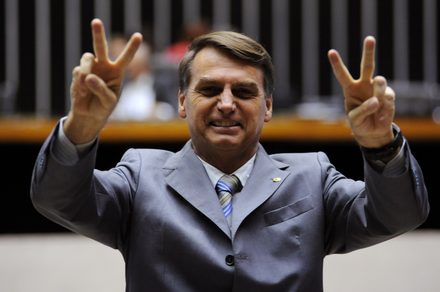
An artificial intelligence-generated avatar of former Brazilian President Jair Bolsonaro was deployed to endorse his son Eduardo Bolsonaro's presidential campaign, circumventing the former president's legal restrictions. Jair Bolsonaro is currently under house arrest, facing an election ban, and subject to limitations on his public communication, making direct campaign involvement impossible. The AI avatar allowed him to participate virtually, delivering an endorsement message that was broadcast to supporters. This development highlights the growing use of AI technology in political campaigning, particularly in situations where traditional methods are hindered by legal or logistical constraints.
Eduardo Bolsonaro, a federal deputy, is seeking re-election and has faced challenges in mobilizing support due to his father's ineligibility and legal troubles. The use of the AI avatar represents a novel strategy to leverage Jair Bolsonaro's significant public profile and influence without violating court orders. The technology reportedly recreated Bolsonaro's likeness and voice, enabling him to deliver a pre-recorded or potentially live message of support. This incident raises significant questions about the ethical implications of using AI in politics, especially concerning transparency and the potential for manipulation. The ability to create realistic digital replicas of public figures, particularly those facing legal sanctions, could set a precedent for future campaigns.
The legal framework surrounding political advertising and the use of AI-generated content is still evolving. In Brazil, election laws are designed to ensure fair competition and prevent undue influence. The deployment of an AI avatar, while technically bypassing direct communication bans, may still face scrutiny from electoral authorities regarding its compliance with the spirit of these regulations. The effectiveness of such a tactic in swaying voters is also a subject of debate, as audiences may react differently to an AI representation compared to a direct appearance or statement from the candidate or their allies.
This case underscores the rapid advancements in AI capabilities, moving beyond simple text generation to sophisticated visual and auditory replication. The technology used to create the Bolsonaro avatar likely involved deep learning models trained on extensive datasets of his previous speeches, interviews, and public appearances. The implications extend beyond Brazil, as similar AI-driven political strategies could emerge in other countries facing complex electoral landscapes or where prominent figures are subject to restrictions. The long-term impact on democratic processes and public trust in digital media remains a critical area for ongoing observation and discussion.
Original source — read the full reporting at the publisher:
Read on Digital TrendsGet the weekly AI digest
AI news + new model releases, weekly. Drafted by our agents, reviewed by humans.