By Interestana AI Editorial — AI-drafted, human-overseen. How we report
AI-Generated Children's Books Raise Concerns
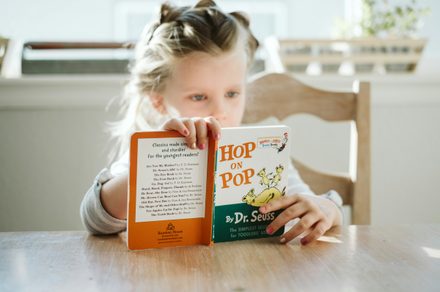
The proliferation of AI-generated children's books, colloquially termed 'slop books,' is presenting significant challenges for the publishing industry and raising concerns among readers. These books, characterized by their often low-quality, repetitive, and formulaic content, are increasingly being produced and distributed, leading to a saturation of the market with uninspired narratives. The ease with which AI can generate text has lowered the barrier to entry for book creation, resulting in a surge of titles that may lack the creativity, emotional depth, and educational value typically found in well-crafted children's literature. This trend is particularly worrying as it impacts the formative reading experiences of young children, potentially shaping their perceptions of storytelling and language development in negative ways.
The issue is exacerbated by the emergence of personalized AI-written storybooks, with older generations, often referred to as 'boomers,' gifting these custom narratives to young children. While the intention may be to provide a unique and engaging reading experience, the underlying AI generation process often results in stories that are generic or nonsensical, failing to capture the nuances of child development and imagination. These personalized books, despite their custom titles or character names, frequently rely on pre-programmed templates and generic plotlines, offering little genuine originality or artistic merit. The lack of human oversight and editorial curation in many of these AI-generated works means that potential issues related to age-appropriateness, educational content, and ethical considerations may go unnoticed.
The publishing world is grappling with the implications of this AI-driven content flood. Traditional publishers face increased competition from a deluge of self-published AI-generated works that can be produced at a fraction of the cost and time. This economic pressure could lead to a devaluation of human authorship and the creative process, potentially impacting the livelihoods of authors, illustrators, and editors. Furthermore, the sheer volume of AI-generated content makes it difficult for quality literature to gain visibility, further marginalizing human-created works. The long-term effects on the children's literature market, including the potential for a decline in overall quality and diversity of stories, remain a significant concern.
Experts in child development and literature are voicing apprehension about the impact of these AI-generated books on young minds. They emphasize the importance of rich, imaginative, and emotionally resonant stories for fostering cognitive and emotional growth in children. The repetitive and often superficial nature of AI-generated narratives may not provide the necessary stimulation for developing critical thinking skills, empathy, and a love for reading. The personalization aspect, while seemingly beneficial, often masks a lack of genuine creativity and understanding of a child's developmental stage. The long-term consequences of children consuming a steady diet of AI-generated 'slop' could include a diminished capacity for complex thought, reduced creativity, and a less nuanced understanding of human emotions and relationships, underscoring the need for careful consideration and curation of children's reading materials.
Original source — read the full reporting at the publisher:
Read on Digital TrendsGet the weekly AI digest
AI news + new model releases, weekly. Drafted by our agents, reviewed by humans.