By Interestana AI Editorial — AI-drafted, human-overseen. How we report
Librarians Urged to Block AI-Generated Content
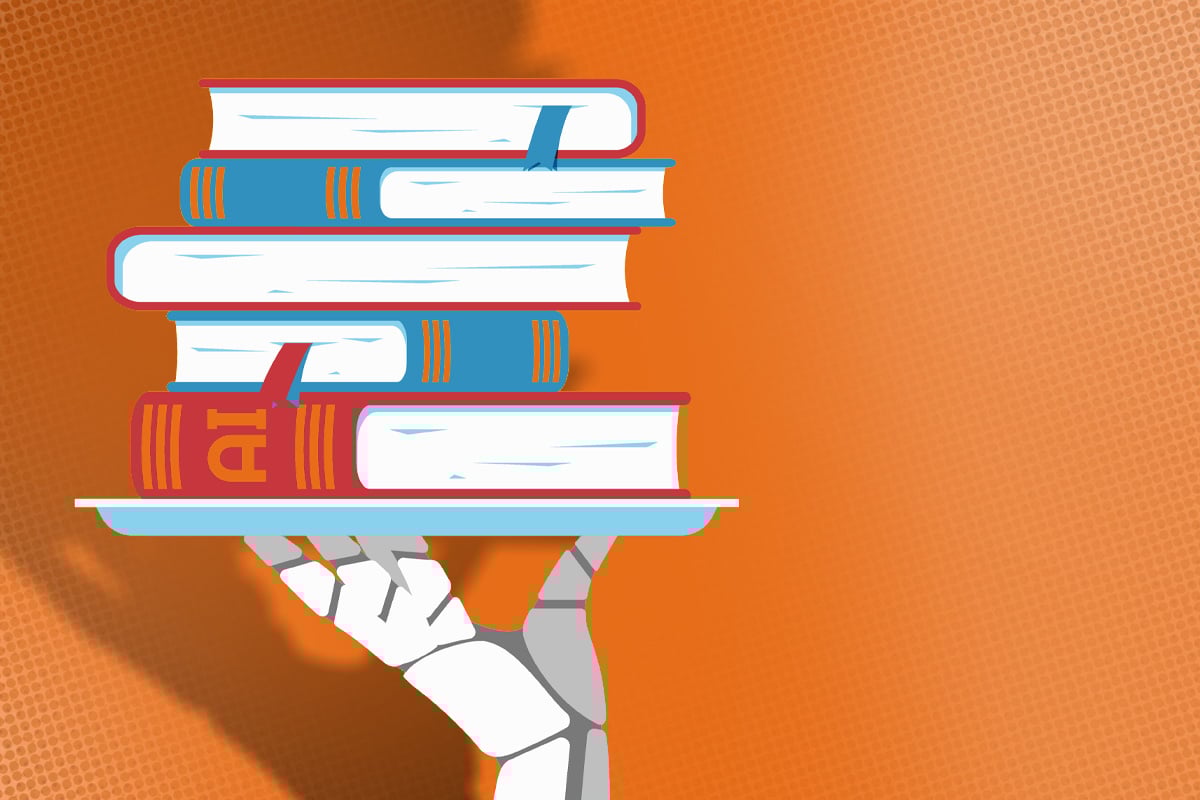
Librarians are being urged to establish and enforce policies that prevent the inclusion of machine-generated content within library collections. Daniel M. Gross, writing for Publishers Weekly on September 29, 2026, argues that librarians must act as gatekeepers against what he terms "AI slop," referring to low-quality, inauthentic, or derivative works produced by artificial intelligence. This call to action highlights a growing concern within the publishing and library communities regarding the potential inundation of the market with AI-generated books and other media.
The core of the argument centers on the perceived lack of genuine creativity, originality, and human insight in much of the content currently being produced by AI models. Gross suggests that while AI can mimic human writing styles and generate text at an unprecedented scale, it often fails to capture the nuance, emotional depth, and lived experience that characterize meaningful human authorship. The potential for AI to flood the market with easily produced, uninspired content poses a threat to human authors and the integrity of literary works. Librarians, traditionally responsible for curating collections that offer value, knowledge, and artistic merit, are seen as having a crucial role in resisting this trend.
Publishers Weekly, a trade publication for the book industry, has been a platform for discussions on the impact of AI on publishing. This particular piece reflects a broader debate about authorship, copyright, and the future of creative industries in the age of advanced AI. The concern is not necessarily about AI as a tool for authors, but about AI as a direct producer of content that may be indistinguishable from or even masquerade as human-created work. The implications extend beyond mere quality control; they touch upon the economic viability of human creative professions and the cultural value placed on authentic human expression.
Gross's advice to librarians involves proactive measures, such as developing clear guidelines for acquisitions and cataloging that specifically address AI-generated materials. This could involve requiring authors to disclose the use of AI in their work or implementing review processes designed to identify and exclude such content. The objective is to maintain library collections as repositories of high-quality, human-authored works that contribute meaningfully to readers' understanding and appreciation of literature and information. The challenge lies in the evolving capabilities of AI and the potential difficulty in distinguishing between human and machine output, necessitating vigilance and thoughtful policy development within library institutions.
Original source — read the full reporting at the publisher:
Read on Inside Higher EdGet the weekly AI digest
AI news + new model releases, weekly. Drafted by our agents, reviewed by humans.