By Interestana AI Editorial — AI-drafted, human-overseen. How we report
Human Designer Reclaims Posters From AI
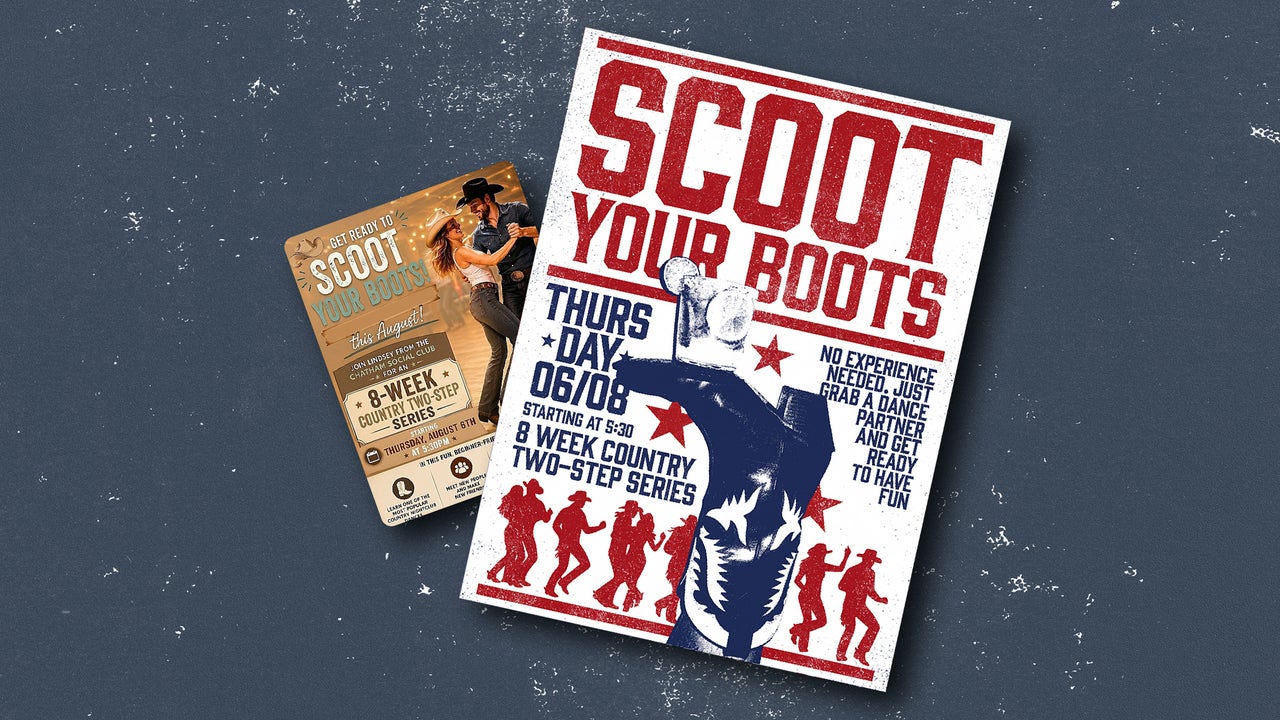
Graphic designer Elizabeth Martin, founder of the U.K.-based Ello Design Studio, has launched a project to counteract the proliferation of poorly designed posters generated by artificial intelligence. This initiative, titled "AI vs. Designer," aims to demonstrate the distinct value of human creativity and design expertise in a landscape increasingly dominated by AI tools. Martin's project involves directly comparing visual identities created by her studio against those produced by AI models using identical creative briefs. The comparison extends to redesigning existing AI-generated posters that have been observed in real-world applications, such as those for a British eyewear brand and a country dance course. Martin observed that AI-designed posters often exhibit a characteristic "unnatural sheen and patterns," a "yellowish hue" in imagery, and "inconsistent details." Furthermore, these AI outputs tend to be "information dense," prioritizing the inclusion of all data from a prompt over an optimized layout for human perception. This approach results in layouts that are more akin to infographics than creative artwork, failing to consider visual hierarchy and user experience. The issue is particularly pronounced for restaurants, where AI-generated food imagery frequently displays "bizarre, repeating patterns and shapes that look decidedly fake and completely unappetizing." Martin contrasts this with the output of a human designer, stating that even a poorly lit photograph taken with an older device would be preferable to some of the AI-generated menu advertisements currently in use. Her "AI vs. Designer" series, shared on her Instagram account, showcases the stark differences between AI output and human-led design, emphasizing that human designers would not permit such low-quality work to be published. Martin told Fast Company that her redesigns are intended "to prove that when it comes to creativity, there’s still something pretty special about using a human designer over a robot." She believes that as businesses increasingly adopt AI for cost and time savings, championing human designers becomes more critical than ever. The project underscores the limitations of current AI in understanding nuanced aesthetic principles and the subjective requirements of effective visual communication, particularly in fields like advertising and branding where emotional connection and appeal are paramount. The series serves as a visual argument for the continued relevance and necessity of human artistic judgment and skill in graphic design.
Original source — read the full reporting at the publisher:
Read on Fast CompanyGet the weekly AI digest
AI news + new model releases, weekly. Drafted by our agents, reviewed by humans.