By Interestana AI Editorial — AI-drafted, human-overseen. How we report
AI Empowers Knowledge Workers, Doesn't Replace Them
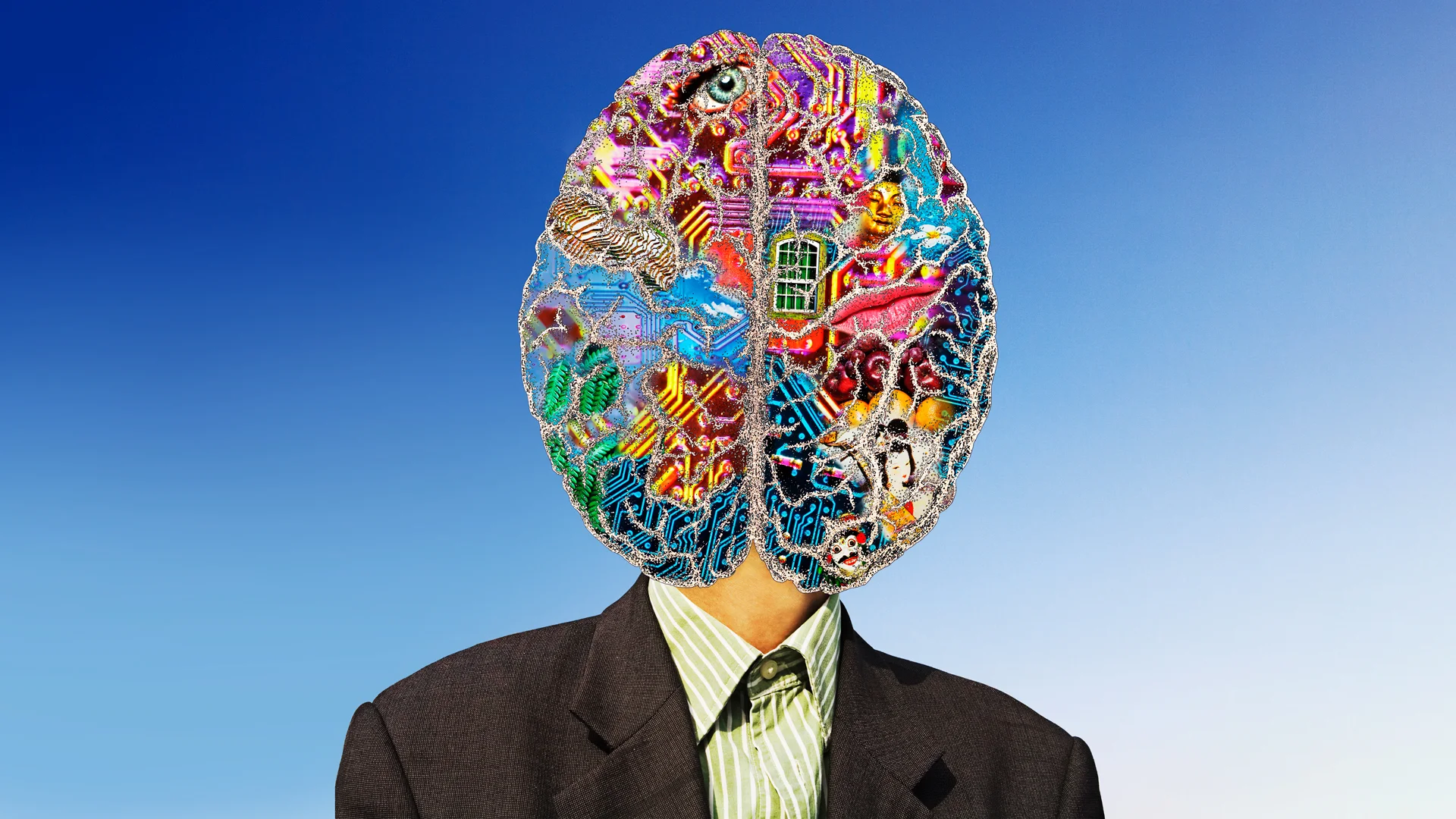
Artificial intelligence is not poised to replace knowledge workers but rather to significantly enhance their productivity and creative output, according to recent analyses. The integration of AI tools into professional workflows is enabling individuals to tackle more complex tasks, accelerate research, and generate novel ideas at an unprecedented pace. This augmentation allows professionals across various sectors, including software development, scientific research, and creative industries, to offload routine or time-consuming aspects of their jobs, freeing up cognitive resources for higher-level problem-solving and strategic thinking.
Early indicators from the adoption of AI technologies reveal a trend towards increased efficiency and innovation. For instance, developers utilizing AI-powered coding assistants can write and debug code more rapidly, leading to faster project completion times and the ability to explore more ambitious software designs. Similarly, researchers are leveraging AI for data analysis, hypothesis generation, and literature review, accelerating the pace of scientific discovery. In creative fields, AI tools are assisting with content generation, design iteration, and personalized user experiences, expanding the scope of what artists, writers, and designers can achieve.
The narrative of AI-driven job displacement is being challenged by a more nuanced understanding of human-AI collaboration. Instead of viewing AI as a substitute for human intellect, the prevailing perspective is shifting towards AI as a powerful co-pilot. This partnership allows knowledge workers to achieve a higher degree of output and quality than would be possible with human effort alone. The key lies in the ability of AI to process vast amounts of information, identify patterns, and automate repetitive tasks, thereby amplifying human cognitive abilities. This synergy is expected to drive significant economic growth and foster new avenues of professional development.
Furthermore, the evolution of AI tools is creating new roles and skill requirements within the workforce. Professionals are increasingly needing to develop skills in prompt engineering, AI model management, and ethical AI deployment. This adaptation suggests a transformation of the job market rather than a wholesale elimination of roles. The focus is shifting from performing tasks that AI can automate to leveraging AI to achieve outcomes that were previously unattainable. The future of knowledge work appears to be one of enhanced human capability, driven by intelligent technological assistance, leading to more impactful contributions and innovative solutions across all industries.
Original source — read the full reporting at the publisher:
Read on Inc.Get the weekly AI digest
AI news + new model releases, weekly. Drafted by our agents, reviewed by humans.