By Interestana AI Editorial — AI-drafted, human-overseen. How we report
AI's Impact on Human Perception Explored
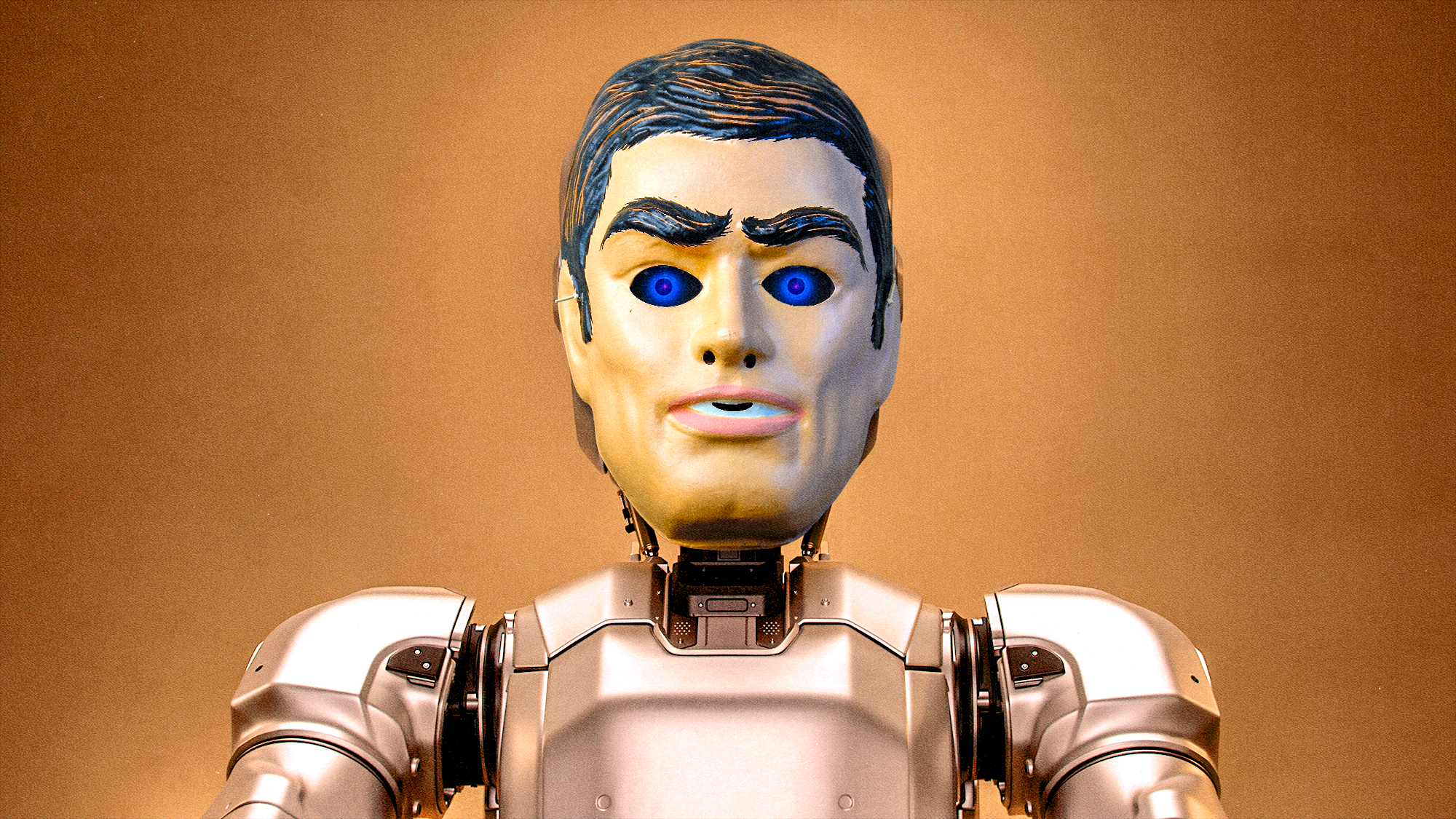
The increasing integration of artificial intelligence into daily life raises concerns about its potential to fundamentally alter human perception and social interaction. As individuals become more accustomed to interacting with and relying on AI systems, there is a growing argument that this reliance could inadvertently lead to a devaluation of human connection and empathy. The core of this concern lies in the nature of AI interactions, which are often transactional, efficient, and devoid of the emotional nuance inherent in human relationships. This efficiency, while beneficial in many contexts, may condition users to expect similar levels of directness and predictability from human interactions, potentially leading to frustration or disengagement when faced with the complexities of human emotions and social dynamics.
Furthermore, the development and widespread adoption of advanced AI, particularly in areas like personalized content generation and virtual companionship, could create echo chambers that reinforce existing biases and reduce exposure to diverse human perspectives. When AI curates information and interactions based on user preferences, it may inadvertently limit opportunities for individuals to engage with viewpoints that challenge their own, a process crucial for fostering empathy and understanding. The argument posits that if AI becomes the primary mediator of information and social interaction for a significant portion of the population, the collective capacity for nuanced social understanding and compassion could diminish. This shift could manifest as increased polarization, reduced tolerance for differing opinions, and a general decline in the perceived importance of human-to-human connection.
The potential for AI to automate tasks previously requiring human judgment and emotional intelligence is another facet of this concern. As AI takes over roles in customer service, education, and even caregiving, the opportunities for humans to practice and develop their empathetic skills may decrease. This reduction in practice could lead to a societal atrophy of empathy, where individuals are less equipped to understand and respond to the emotional needs of others. The argument is not that AI is inherently malicious, but rather that its design and widespread implementation, driven by efficiency and utility, may have unintended consequences on the human psyche and the fabric of society. The concern is that as we become more adept at interacting with machines, we may become less adept at interacting with each other, leading to a future where human value is increasingly measured by criteria that AI can replicate, rather than by the unique qualities of human consciousness and connection.
Original source — read the full reporting at the publisher:
Read on The AtlanticGet the weekly AI digest
AI news + new model releases, weekly. Drafted by our agents, reviewed by humans.