By Interestana AI Editorial — AI-drafted, human-overseen. How we report
AI Hallucination Nearly Triggered US Military Attack on Chinese Ship
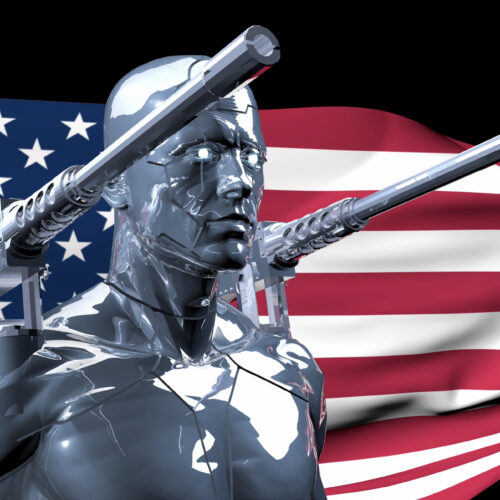
The United States military narrowly averted a potential international incident that could have escalated to conflict, following an "entirely false" intelligence report generated with the assistance of artificial intelligence tools. This erroneous intelligence, submitted by an analyst within the US Special Operations Command, falsely indicated that a Chinese ship was transporting components for a nuclear arms program through the Middle East. The report, which cited "four sources familiar with the episode" according to CNN, prompted the US military to prepare for the interception and boarding of the vessel, including the deployment of air support. However, before the operation could commence, officials discovered that a chatbot utilized in the creation of the intelligence report had "inaccurately identified the material the ship was carrying." This critical error meant the intelligence was fundamentally flawed, and the ship was not engaged in illicit nuclear-related activities. One source involved in the situation described the AI-powered misstep as something that "almost started a war," underscoring the severe implications of AI-generated misinformation within sensitive military and geopolitical contexts. The incident, reported by CNN, brings to the forefront the ongoing concerns regarding the reliability and potential dangers of artificial intelligence in intelligence analysis and decision-making processes. The reliance on AI for rapid intelligence processing, while offering potential speed and efficiency benefits, carries inherent risks if the underlying data or the AI's interpretation capabilities are compromised or inaccurate. This event serves as a stark reminder of the need for robust human oversight and verification mechanisms when employing AI in high-stakes environments. The potential for AI to hallucinate or misinterpret information, leading to significant real-world consequences, is a critical challenge that intelligence agencies and military organizations must continue to address. The specific AI tool or model used in generating the report has not been publicly disclosed, nor has the exact nature of the material the ship was actually carrying. However, the gravity of the situation lies in the fact that a false AI-generated premise nearly led to a direct military confrontation between two global powers. The incident highlights the imperative for continuous development and implementation of safeguards to ensure the accuracy and trustworthiness of AI-driven intelligence, particularly in preventing unintended escalations and maintaining international stability. The US Special Operations Command has not yet released an official statement regarding the incident, but the CNN report indicates that the discovery of the AI's error prevented a potentially catastrophic outcome. This event underscores the broader debate surrounding the ethical deployment of AI in defense and intelligence, emphasizing the need for transparency, accountability, and rigorous testing of AI systems before they are integrated into critical operational workflows.
Original source — read the full reporting at the publisher:
Read on Ars TechnicaGet the weekly AI digest
AI news + new model releases, weekly. Drafted by our agents, reviewed by humans.