By Interestana AI Editorial — AI-drafted, human-overseen. How we report
AI Enhances Public Workforce Services and Skills Training
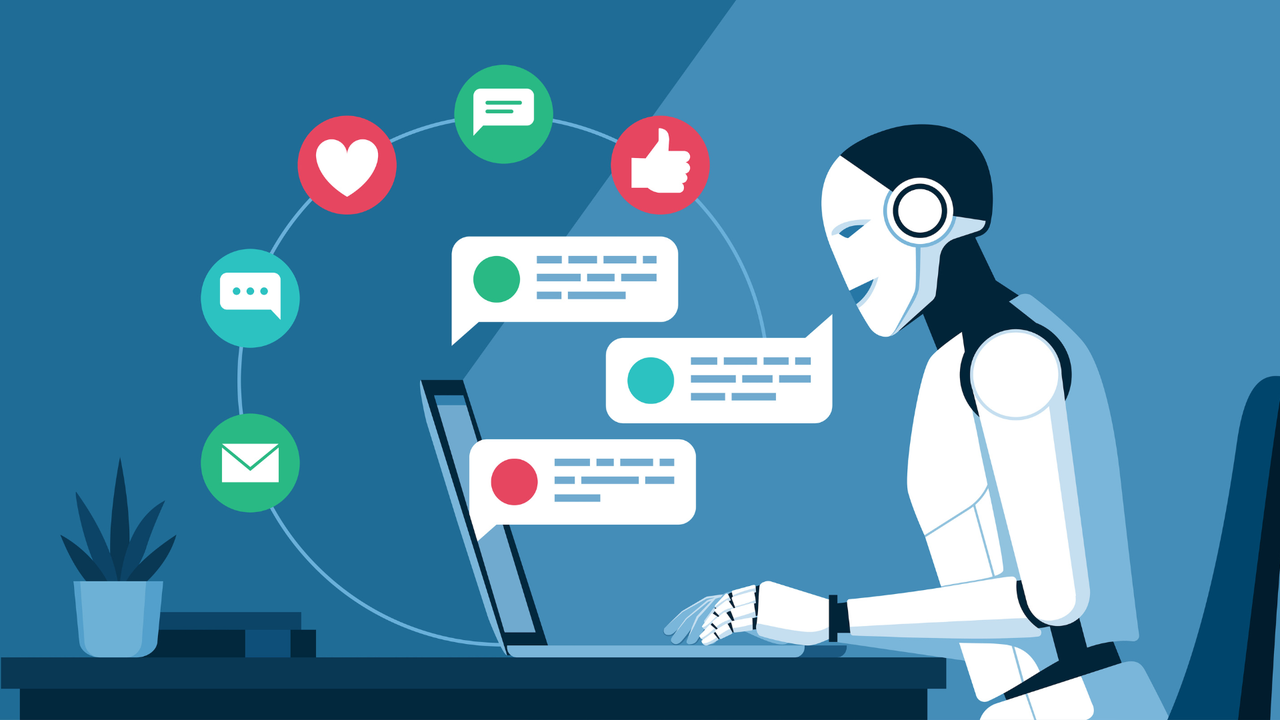
Artificial intelligence is fundamentally reshaping the delivery of workforce services, empowering public employment systems to adopt more proactive, personalized, and responsive approaches. Workforce agencies are leveraging AI to enhance the process of matching individuals with suitable job openings, identifying transferable skills that can be applied to new roles, and recommending viable career pathways. Furthermore, AI is being utilized to assess an individual's service needs, assist in generating résumés, provide support for interview practice, and offer tailored guidance for job searches. AI-powered assistants are also capable of addressing common inquiries, facilitating registration and application processes, and extending the availability of services beyond conventional business hours. As AI becomes increasingly integrated into both workforce services and the broader labor market, there is a growing emphasis on preparing workers to effectively utilize these emerging technologies. Earlier in 2024, the U.S. Department of Labor issued guidance encouraging state and local agencies to utilize funding from the Workforce Innovation and Opportunity Act (WIOA) to equip workers of all age groups with foundational AI skills. This directive highlights the expanding role of the public workforce system in ensuring workers are well-prepared to thrive in an economy that is increasingly driven by artificial intelligence.
New funding initiatives are actively supporting the widespread adoption of artificial intelligence within workforce development programs. These investments aim to help organizations modernize their service offerings and broaden access to essential education, training, and career pathway opportunities. Such investments can furnish financial backing, technical expertise, and necessary resources for the development of AI-powered tools designed to improve how individuals connect with emerging employment prospects. Building on this momentum, the U.S. Department of Labor has also announced a national contracting opportunity specifically focused on expanding AI skills training within Registered Apprenticeship programs. This significant initiative is set to support the enhancement of curricula, the development of AI-related occupations, and the strengthening of talent pipelines in crucial industries, including advanced manufacturing, telecommunications, and data centers. The ultimate goal is to equip workers with the AI literacy and technical proficiencies required for the jobs of the future, thereby fostering a more adaptable and skilled workforce.
The integration of AI is contributing to a more responsive workforce system by automating routine tasks and providing data-driven insights. This allows human workforce professionals to focus on more complex cases requiring personalized intervention and support. For example, AI can analyze vast datasets to identify patterns in labor market trends, predict future skill demands, and flag individuals who may be at risk of long-term unemployment, enabling early intervention. The U.S. Department of Labor's emphasis on AI skills training through WIOA funding and Registered Apprenticeship programs signifies a strategic effort to bridge the skills gap and ensure that the workforce remains competitive in a rapidly evolving technological landscape. These programs are designed to be accessible, offering pathways for individuals from diverse backgrounds to acquire in-demand AI competencies, thereby promoting economic mobility and inclusive growth. The proactive stance taken by the Department of Labor underscores a commitment to leveraging technology not only for efficiency but also for equity in workforce development.
Original source — read the full reporting at the publisher:
Read on Fast CompanyGet the weekly AI digest
AI news + new model releases, weekly. Drafted by our agents, reviewed by humans.