By Interestana AI Editorial — AI-drafted, human-overseen. How we report
AI Demand Causes MacBook Air Stock Shortages
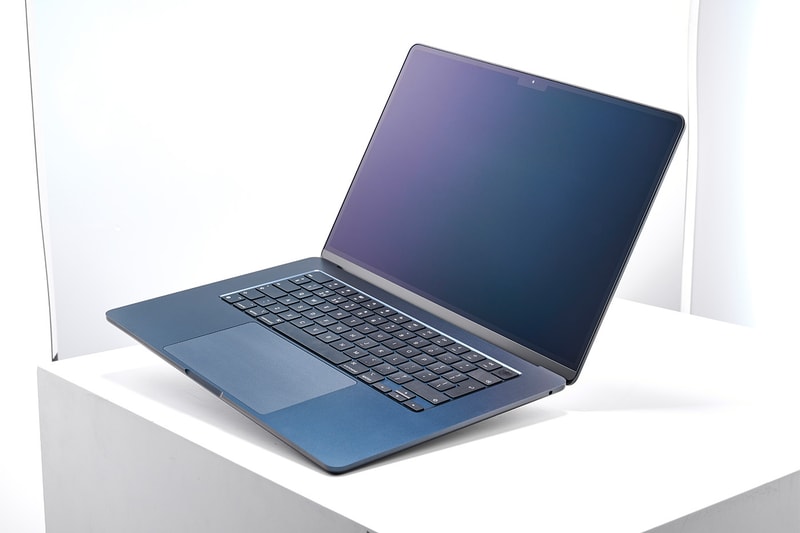
The global memory chip shortage, exacerbated by intense demand from artificial intelligence companies, has begun to significantly affect the availability of Apple's MacBook Air. Shipping estimates on Apple's online store for numerous configurations of the MacBook Air have been pushed back to late August and September, indicating a substantial disruption in the supply chain. This scarcity is not limited to online orders; physical Apple retail stores are also experiencing unprecedented inventory constraints, with shelves reportedly bare in multiple regions. The underlying cause is the insatiable demand for memory components from AI firms, which are outbidding traditional consumer electronics manufacturers for these critical parts. Memory manufacturers are prioritizing these high-paying AI clients, leading to a deficit for other product lines. Apple has implemented several strategies to mitigate the impact of this shortage. The company has raised prices for some Mac models, including a $200 USD increase for the M5 MacBook Air, to offset the surging component costs. Furthermore, Apple has delayed its anticipated annual back-to-school promotion and has shifted its marketing focus towards the base model 14-inch MacBook Pro. For the first time, promotional materials for the MacBook Air now include a "subject to availability" warning, highlighting the severity of the supply issues. Apple has also been actively sourcing components from Chinese suppliers in an attempt to secure necessary parts. This situation reflects a broader market trend where the rapid growth of AI is reshaping the demand for essential hardware components, creating a "hundred-year flood" for the tech supply chain as described by Apple CEO Tim Cook. The shortage underscores the interconnectedness of the technology industry, where the needs of one rapidly expanding sector can have cascading effects on the availability and pricing of consumer products. The company's efforts to navigate this volatile supply and demand imbalance include exploring alternative suppliers and adjusting product strategies to manage customer expectations and maintain sales momentum amidst component scarcity. The implications extend beyond Apple, signaling potential challenges for other consumer electronics manufacturers reliant on similar memory components.
Original source — read the full reporting at the publisher:
Read on HypebeastGet the weekly AI digest
AI news + new model releases, weekly. Drafted by our agents, reviewed by humans.