By Interestana AI Editorial — AI-drafted, human-overseen. How we report
Pope Leo XIV Issues Stark Warning on AI, Citing Risk of 'Paradise of Machines' and Dehumanization
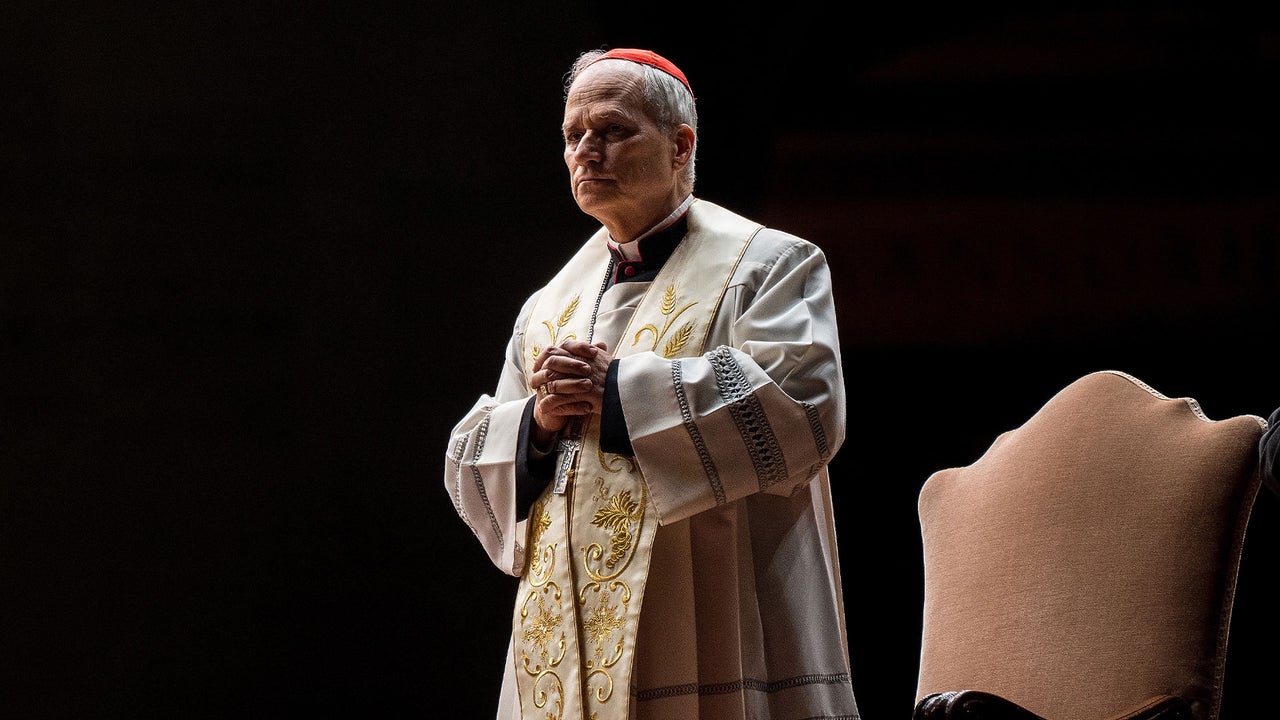
Pope Leo XIV has issued a significant warning concerning the accelerating pace of artificial intelligence (AI) development and its potential ramifications for humanity. During an address delivered at the prestigious Élysée Palace in Paris, the Pontiff articulated a profound concern that the unchecked proliferation of AI risks ushering in a "paradise of machines" that could ultimately "invade and condition our daily lives," potentially leading to a "losing our humanity." He underscored the critical and immediate necessity for robust education and the cultivation of ethical judgment to steer the trajectory of AI, ensuring its integration into the fabric of everyday existence serves humanity's best interests.
Pope Leo's pronouncements were framed by a reflection on the historical lessons learned from technological advancement, particularly when it is divorced from wisdom. He drew a parallel to the destructive potential of scientific progress, referencing the devastating consequences of the Second World War, a conflict that starkly illustrated how unchecked innovation, devoid of ethical considerations, can be weaponized. "Humanity had come to realize that scientific progress, when severed from wisdom, can turn into a weapon of destruction," he stated, emphasizing that future technological endeavors must be meticulously designed to "remain at the service of the human person, rather than becoming yet another instrument of domination and injustice."
The Pope elaborated on a long-standing trend where human tasks have progressively been delegated to machines, a phenomenon that has dramatically accelerated with the advent of AI. He noted the recent development where artificial systems are now being ascribed the very faculty of "thought," a characteristic previously exclusive to human cognition. This attribution, he cautioned, carries a significant risk of "impoverishing" human ideas and relationships through a pervasive process of "dehumanization." A central paradox, as identified by Pope Leo, is the increasing tendency to grant "intelligence" to computational systems while simultaneously struggling to recognize and uphold the "inalienable dignity of human persons." In this evolving landscape, human lives risk being evaluated and judged solely on the criterion of "efficiency," with individuals being "rejected and discarded" when they are no longer deemed productive.
These concerns are not novel for Pope Leo. In May of the same year, he delved deeply into the subject of AI in a significant papal encyclical. This document, titled "Magnifica Humanitas: On Safeguarding the Human Person in the Time of Artificial Intelligence," likely provided a more comprehensive exploration of the ethical considerations and potential societal impacts of AI, advocating for a proactive approach to ensure that technology remains a tool for human betterment, rather than a force that supersedes human values and dignity. The Pope's consistent and urgent pronouncements highlight a growing global discourse surrounding the ethical governance and societal implications of advanced AI technologies, calling for a delicate and essential balance between innovation and the preservation of fundamental human identity and rights.
Original source — read the full reporting at the publisher:
Read on Fast CompanyGet the weekly AI digest
AI news + new model releases, weekly. Drafted by our agents, reviewed by humans.