By Interestana AI Editorial — AI-drafted, human-overseen. How we report
AI Capital Expenditure to Surpass Railway, Internet Costs
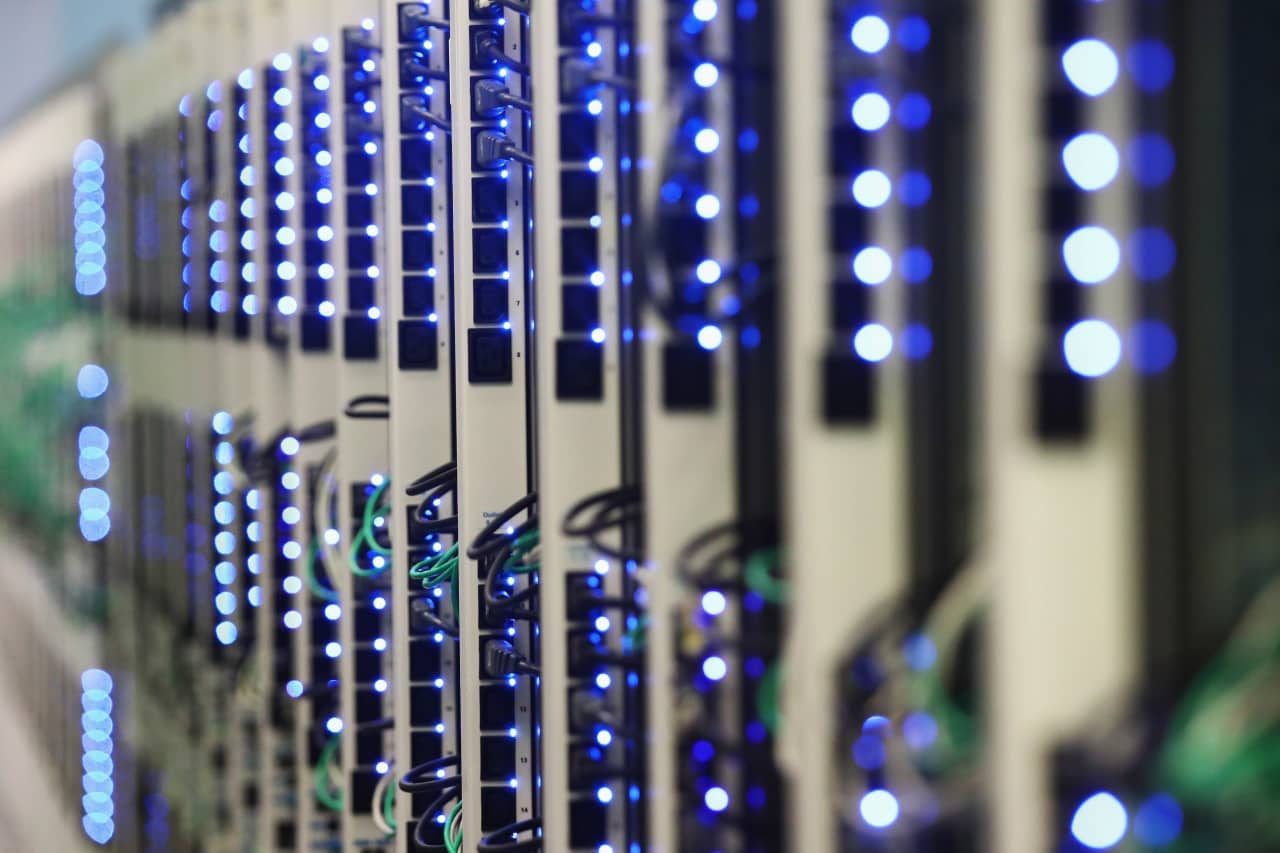
Artificial intelligence capital expenditure is projected to surpass the combined costs of building railways and the internet in both the United States and the United Kingdom, according to accounting firm PwC. This forecast highlights the unprecedented scale and rapid spending growth associated with AI infrastructure development. PwC's analysis, detailed in a recent report, indicates that the financial commitment required for AI buildout is fundamentally different from previous large-scale infrastructure projects due to its unique characteristics.
The firm's assessment suggests that the sheer volume of investment needed for AI, encompassing data centers, specialized hardware like GPUs, and extensive cloud computing resources, dwarfs historical infrastructure spending. While the development of the internet and railway systems represented significant capital outlays in their respective eras, the current and future trajectory of AI investment is on a different order of magnitude. This accelerated spending is driven by the rapid advancements in AI capabilities, the increasing demand for AI-powered services across various industries, and the competitive race among technology companies to develop and deploy the most advanced AI models.
PwC's comparison implicitly underscores the transformative potential of AI and its pervasive integration into global economies. The report does not provide specific dollar figures for the projected AI capital expenditure but frames it as exceeding the cumulative investment in foundational infrastructure like railways and the internet. This comparison serves to contextualize the immense economic impact and resource allocation that AI development necessitates. The firm's analysis further points to the unique nature of AI infrastructure, which requires continuous upgrades and expansion to keep pace with algorithmic improvements and growing data volumes, unlike more static infrastructure projects.
The implications of this forecast are far-reaching, suggesting a significant shift in global investment priorities and economic landscapes. The substantial capital required for AI development could influence labor markets, supply chains for critical components like semiconductors, and the strategic planning of both corporations and governments. The scale of investment also raises questions about sustainability, energy consumption for data centers, and the equitable distribution of AI's benefits. PwC's outlook positions AI not merely as a technological advancement but as a dominant economic force shaping future infrastructure investments worldwide.
Original source — read the full reporting at the publisher:
Read on MarketWatchGet the weekly AI digest
AI news + new model releases, weekly. Drafted by our agents, reviewed by humans.