By Interestana AI Editorial — AI-drafted, human-overseen. How we report
AI Needs Organizational Understanding for Optimization
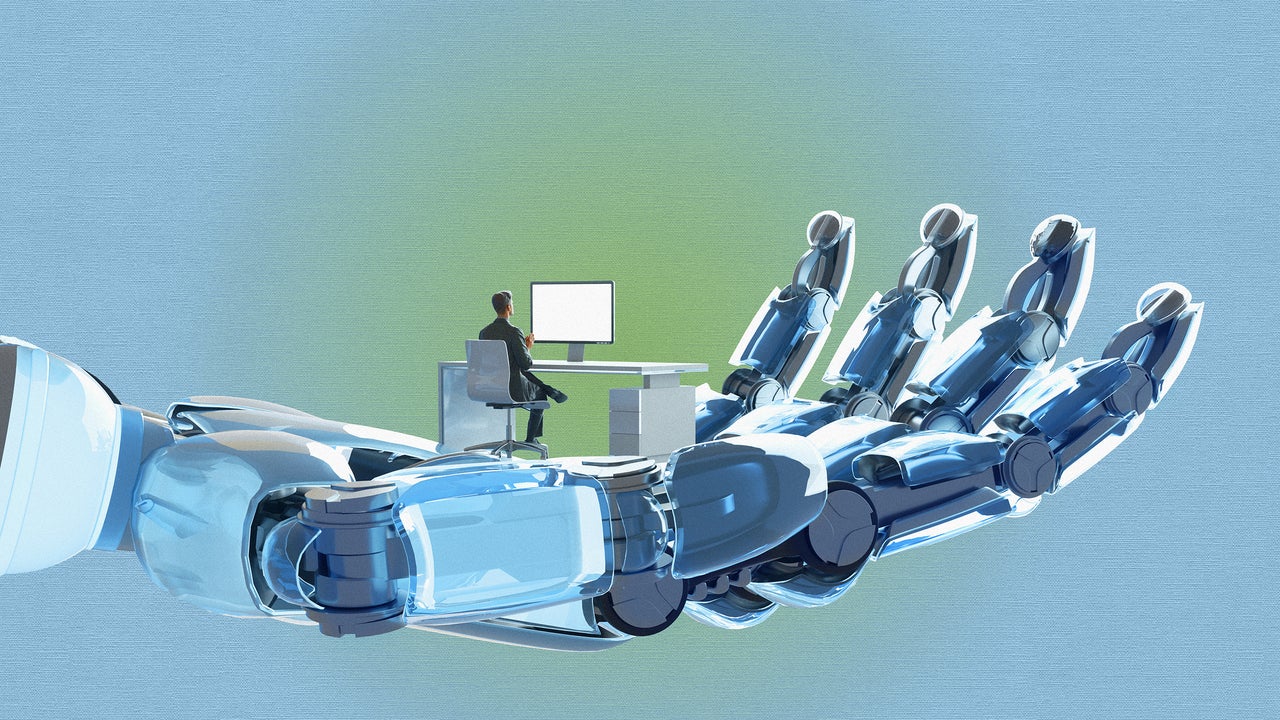
For artificial intelligence to effectively optimize a company, it must first possess a deep understanding of the organization's internal workings, a capability that current AI models largely lack. The core challenge lies in the distinction between memory and a true data model. While AI models can access and recall vast amounts of information, akin to memory, they struggle to formally represent the intricate relationships, dependencies, constraints, and valid states that define an organization. This gap prevents AI from moving beyond processing information to truly understanding and optimizing complex business environments. Companies are attempting to bridge this divide by providing extensive contextual information to AI models. However, this context primarily guides the AI on what information to consider at a given moment, rather than imparting knowledge about how the organization functions. This limitation means that even highly knowledgeable LLMs, trained on extensive business literature, remain ignorant of a company's specific customer base, interdependencies, bureaucratic procedures, unique exceptions, risk appetite, or the ripple effects of process changes. The author posits that a fundamental shift is necessary, moving from mere memory and context towards robust models of organizational dynamics. The initial and crucial step in this transition involves defining an ontology for the company. An ontology, in this context, is equivalent to establishing a clear set of nouns, verbs, and rules that formally describe the organization's components and their interactions. This structured representation is essential for AI to build a functional understanding. Companies like Palantir have been advocating for such an approach, attempting to persuade businesses to adopt platforms that facilitate the creation of these organizational models. Without this foundational data model, AI's ability to optimize remains severely constrained, leading to a paradox where increasingly sophisticated AI tools are granted access to critical workflows without possessing the necessary comprehension to improve them. The future of corporate AI hinges on developing systems that can move beyond superficial data processing to achieve genuine organizational intelligence, enabling them to not only execute tasks but also to strategically enhance business operations.
Original source — read the full reporting at the publisher:
Read on Fast CompanyGet the weekly AI digest
AI news + new model releases, weekly. Drafted by our agents, reviewed by humans.