By Interestana AI Editorial — AI-drafted, human-overseen. How we report
Lettuce Up 32%, Tomatoes 20% Due to Weather, Labor
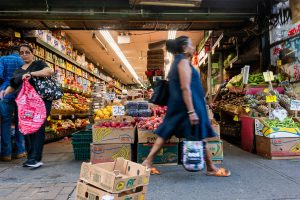
Consumers are experiencing significant price increases for produce, with lettuce prices rising approximately 32% and tomato prices increasing by about 20% between June 2025 and June 2026, according to U.S. Bureau of Labor Statistics data. Overall, fresh vegetable prices saw a 10% increase during the same period, while fresh fruit prices rose by 6% for citrus and 7% for apples. An agricultural economist attributes these hikes to a confluence of factors including extreme weather events, labor shortages, increased labor costs, elevated energy and shipping prices, and the lingering effects of trade policies. These interconnected issues are creating cascading cost increases throughout the supply chain, suggesting that widespread price reductions may not occur rapidly.
Weather disruptions have significantly impacted supply and driven up costs. For instance, unusual freezes in Florida during early 2026 affected numerous crops such as citrus, strawberries, blueberries, tomatoes, and sweet corn, resulting in reduced yields and higher market prices. The U.S. food supply relies heavily on imports, particularly during winter and early spring when domestic production is limited. When adverse weather conditions coincide with shifts in trade policy, especially concerning the U.S.-Mexico relationship, the impact on produce supply and prices becomes particularly pronounced.
The surge in tomato prices serves as a case study for these combined effects. In June 2025, the U.S. Commerce Department withdrew from an agreement with Mexico, known as the U.S.-Mexico Tomato Suspension Agreement, as a measure to protect the domestic tomato industry. This policy change, coupled with weather-related challenges, contributed to the sharp increase in tomato costs. The economist notes that the complexity and breadth of these inflationary drivers across multiple sectors indicate a prolonged period of elevated prices for consumers.
Original source — read the full reporting at the publisher:
Read on FortuneGet the weekly AI digest
AI news + new model releases, weekly. Drafted by our agents, reviewed by humans.