By Interestana AI Editorial — AI-drafted, human-overseen. How we report
Unions Fight for US Clean Energy Jobs Amidst Political Opposition
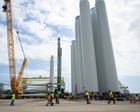
A burgeoning labor movement in the United States has been actively addressing the climate crisis and economic inequality since Hurricane Sandy in 2012, with a significant focus on securing robust employment opportunities within the burgeoning clean energy sector. This movement sees the transition to renewable energy not just as an environmental imperative but also as a critical avenue for creating stable, well-compensated jobs for American workers. The narrative is exemplified by individuals like Ryan McElroen, who transitioned from a career repairing the New York City subway to working in offshore wind energy. McElroen described his previous work environment as "darkness" with "no views," contrasting it with the "polar opposite" experience of working in the open ocean on wind energy projects. This personal anecdote highlights the potential for career shifts and new opportunities within the clean energy industry.
Despite facing political headwinds, including opposition and criticism from figures like former President Donald Trump, these unions are committed to championing policies that support domestic clean energy manufacturing and installation. Their advocacy centers on ensuring that the jobs created in solar, wind, and other renewable energy fields are "good jobs"—characterized by fair wages, benefits, and safe working conditions. This approach aims to counter concerns that the green transition might lead to job losses in traditional energy sectors or create precarious employment in new ones. The unions are actively engaging in lobbying efforts, public awareness campaigns, and direct action to influence legislation and corporate practices.
The broader context for this union-driven push is the global and national imperative to decarbonize economies and mitigate the impacts of climate change. The United States, like many nations, is grappling with the dual challenge of reducing greenhouse gas emissions while fostering economic growth and ensuring a just transition for workers. Labor unions are positioning themselves as key stakeholders in this transition, arguing that their involvement is essential to guarantee that the benefits of clean energy development are broadly shared and that no communities are left behind. They are pushing for investments in workforce training and development programs to equip workers with the skills needed for the evolving energy landscape.
The fight for good clean energy jobs is thus intertwined with broader economic and social justice issues. Unions are advocating for policies such as prevailing wage requirements on renewable energy projects, local content mandates that prioritize American-made components, and robust worker protections. Their efforts aim to build a sustainable clean energy economy that not only addresses environmental concerns but also strengthens the middle class and promotes economic security for working families across the United States. The success of these efforts will depend on continued political engagement, strategic partnerships, and the ability to mobilize a broad coalition of support.
Original source — read the full reporting at the publisher:
Read on The Guardian EnvironmentGet the weekly AI digest
AI news + new model releases, weekly. Drafted by our agents, reviewed by humans.