By Interestana AI Editorial — AI-drafted, human-overseen. How we report
Investors Eye Anthropic, OpenAI After SpaceX IPO
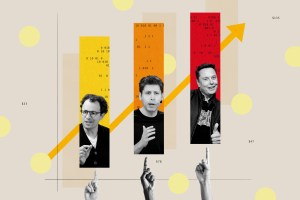
Following SpaceX's substantial initial public offering (IPO) on June 12, investors are increasingly directing their attention toward potential future IPOs from leading artificial intelligence companies, Anthropic and OpenAI. This trend is fueled by the fear of missing out on the next wave of transformative technology companies, drawing parallels to the significant returns seen from early investments in companies like Nvidia, where $10,000 invested a decade ago could now be worth approximately $1.8 million. SpaceX's IPO saw over 500 million shares trade on its first day, marking the second-highest first-day volume in Nasdaq history, surpassed only by Facebook's 580 million shares in 2012. Financial advisor Jeff Barnett noted that some clients, despite missing the initial offering, still sought to participate, likening it to buying a lottery ticket for a chance at significant gains without jeopardizing their core portfolios. However, market experts advise caution regarding immediate first-day investments. Historical data from IPO expert Jay Ritter indicates that the median IPO tends to decline by about 26% three years after its initial closing price. While some companies like Abgenix and Enzo Biochem experienced stellar debuts with returns exceeding 2,000%, their long-term performance eventually cooled. Instead, patient investors who backed companies like Moderna saw substantial returns, with Moderna ranking among the top performers for life-science IPOs between 1980 and 2024. Investment professionals suggest a strategy of not buying on the first day of an IPO, indicating that better buying opportunities may emerge later. This approach allows investors to assess a company's long-term viability and market position beyond the initial speculative surge.
Original source — read the full reporting at the publisher:
Read on FortuneGet the weekly AI digest
AI news + new model releases, weekly. Drafted by our agents, reviewed by humans.