By Interestana AI Editorial — AI-drafted, human-overseen. How we report
Starfish Space Prepares to Launch Otter Satellites After Seven Years, Addressing Orbital Congestion
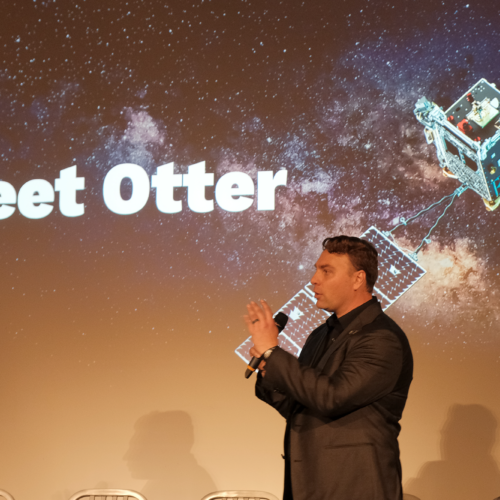
Starfish Space, a company established in October 2019 by former Blue Origin engineers Trevor Bennett and Austin Link, is on the cusp of releasing its Otter satellites into orbit after seven years of dedicated development. The company's inception was driven by a foresight into the escalating challenges of orbital debris and the burgeoning need for comprehensive satellite servicing solutions, particularly within the crucial low-Earth orbit (LEO) environment. Bennett and Link's experience at Blue Origin, a company known for its ambitious rocket programs and plans for massive satellite constellations, provided them with a firsthand understanding of the potential implications of an increasingly crowded space. This realization spurred their focus on preserving the sustainability and accessibility of LEO for future endeavors.
The founding of Starfish Space and its subsequent development trajectory were unexpectedly shaped by the onset of the global COVID-19 pandemic in early 2020. Bennett reflected on this period, noting the unforeseen global circumstances and framing it as a testament to the company's inherent resilience. Despite the significant disruptions and uncertainties brought about by the pandemic, Starfish Space persevered, channeling its efforts into innovating solutions for in-space servicing. The Otter satellites represent the culmination of this perseverance, engineered with advanced capabilities designed to extend the operational lifespan of existing satellites and to actively manage the growing volume of space assets.
Starfish Space's strategic approach is fundamentally geared towards fostering a more sustainable and manageable space environment. The Otter satellites are envisioned as versatile tools capable of performing critical functions such as satellite refueling, the controlled de-orbiting of defunct satellites to prevent them from becoming debris, and potentially in-orbit assembly of larger structures. This proactive suite of services is paramount in mitigating the escalating risks associated with space congestion, including the increased probability of catastrophic collisions. As more nations and private entities expand their space presence, the density of satellites in orbit is set to rise dramatically, making effective space traffic management and debris mitigation an urgent necessity.
The long-term vision of Starfish Space extends beyond mere debris management; it aims to be an enabler of a more robust and dynamic space economy. By ensuring the continued functionality and longevity of satellites, the company seeks to bolster the reliability of essential space-based services that underpin modern life, including global communication networks, precise navigation systems, vital Earth observation for climate monitoring and disaster response, and cutting-edge scientific research. The successful deployment and operation of the Otter satellites are poised to represent a significant milestone in Starfish Space's mission to revolutionize orbital operations and secure the long-term viability of space as a critical resource for humanity.
Original source — read the full reporting at the publisher:
Read on Ars TechnicaGet the weekly AI digest
AI news + new model releases, weekly. Drafted by our agents, reviewed by humans.