By Interestana AI Editorial — AI-drafted, human-overseen. How we report
Judge Halts Waymo Overnight Charging in Santa Monica
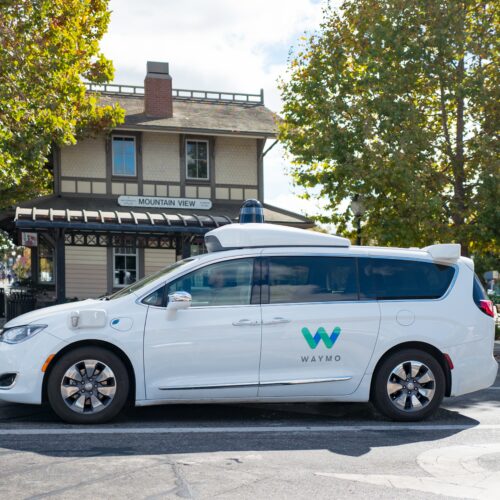
Los Angeles Superior Court Judge Bradley S. Phillips issued a preliminary injunction this week, prohibiting Waymo from using its side-by-side charging facilities overnight in Santa Monica, California. The ruling stems from a public nuisance lawsuit filed by the City of Santa Monica, which, along with local residents, has raised concerns about the autonomous vehicle company's operations. City officials and neighbors contend that the continuous flow of Waymo vehicles to and from the charging stations generates significant light and sound pollution. Furthermore, they argue that these operations contribute to traffic congestion on local streets and nearby alleys, collectively creating a substantial disturbance and disruption to the community. The judge's decision to grant the preliminary injunction indicates a judicial acknowledgment of these alleged nuisances. Waymo, an Alphabet Inc. subsidiary, has been operating its autonomous ride-hailing service in Santa Monica and other parts of Los Angeles County. The company's expansion into new operational areas has often been met with scrutiny from local governments and residents concerned about safety, traffic, and the broader impact of driverless technology on urban environments. This injunction specifically targets the overnight charging activities, suggesting that the timing and nature of these operations are central to the court's current findings. The lawsuit remains ongoing, and this injunction represents a significant, albeit temporary, setback for Waymo's operational plans in the affected area. The legal challenge highlights the growing tension between the deployment of autonomous vehicle technology and the desire of municipalities to maintain public order and quality of life for their residents. The city's legal team has been actively pursuing this case, aiming to establish a precedent for how autonomous vehicle infrastructure can be regulated to mitigate community impacts. The specific details of the "side-by-side charging facilities" were not elaborated upon in the provided text, but their designation as a source of nuisance implies a physical footprint and operational intensity that affects the surrounding neighborhood. The ruling underscores the importance of balancing technological innovation with the established rights of communities to a peaceful and uncongested environment. Waymo's response to the injunction and its future plans for charging operations in Santa Monica will be closely watched as the lawsuit progresses through the legal system. The case could influence how other cities approach similar infrastructure needs for autonomous vehicle fleets.
Original source — read the full reporting at the publisher:
Read on Ars TechnicaGet the weekly AI digest
AI news + new model releases, weekly. Drafted by our agents, reviewed by humans.