By Interestana AI Editorial — AI-drafted, human-overseen. How we report
Trump Renames Strait of Hormuz 'Trump Strait' After Iran Offer
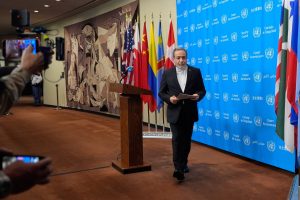
Iran's President Masoud Pezeshkian and Foreign Minister visited New York for the U.N. General Assembly, presenting a proposal to the Trump administration aimed at ending hostilities and fully reopening the Strait of Hormuz within seven days. This offer was contingent on the United States lifting its military blockade of Iranian ports, releasing frozen Iranian assets, and waiving sanctions on Iranian oil sales, among other conditions that have been previously stated. The key difference in this latest diplomatic push, according to Iranian officials, is the significantly accelerated timeline for resolution.
President Donald Trump responded to Iran's diplomatic overture early Saturday by posting a map on social media that depicted the vital waterway, the Strait of Hormuz, and labeled it the "Trump Strait." This action by Trump occurred around the same time that Iran's state media reported President Pezeshkian was returning to Iran. The situation remains tense as both Iran and the U.S. navigate the economic pressures resulting from seven months of ongoing conflict.
Indirect talks between the U.S. and Iran resumed on Tuesday, marking their first engagement in months. U.S. officials stated that their envoys and Iranian representatives held three hours of indirect discussions facilitated by mediators. These talks were the first since a previous agreement, intended to end the fighting and initiate nuclear negotiations, collapsed shortly after its signing in June. U.S. Secretary of State Marco Rubio described the latest talks as "good" and indicated the U.S. was open to further dialogue. However, this diplomatic engagement followed President Trump's address to the U.N. General Assembly on Tuesday, where he threatened to "annihilate" the Islamic Republic. In his own speech the following day, President Pezeshkian declared Iran's resolve to fight "until our last breath," while also affirming Tehran's continued openness to diplomacy.
Further details of Iran's proposal emerged from a private meeting held on Thursday on the sidelines of the U.N. gathering. Iran's top diplomat elaborated on Tehran's new offer to the U.S., with the conditions presented to Washington largely mirroring those that were agreed upon in the June deal that ultimately failed. The Strait of Hormuz is a critical chokepoint for global oil transportation, with approximately 20% of global oil consumption passing through it annually. Any disruption or closure of this waterway has significant implications for global energy markets and international trade. The renewed diplomatic efforts and Trump's symbolic renaming of the strait highlight the ongoing geopolitical tensions and the complex negotiations surrounding regional stability and economic sanctions.
Original source — read the full reporting at the publisher:
Read on FortuneGet the weekly AI digest
AI news + new model releases, weekly. Drafted by our agents, reviewed by humans.