By Interestana AI Editorial — AI-drafted, human-overseen. How we report
US Strikes Iranian Infrastructure After Ceasefire Collapse
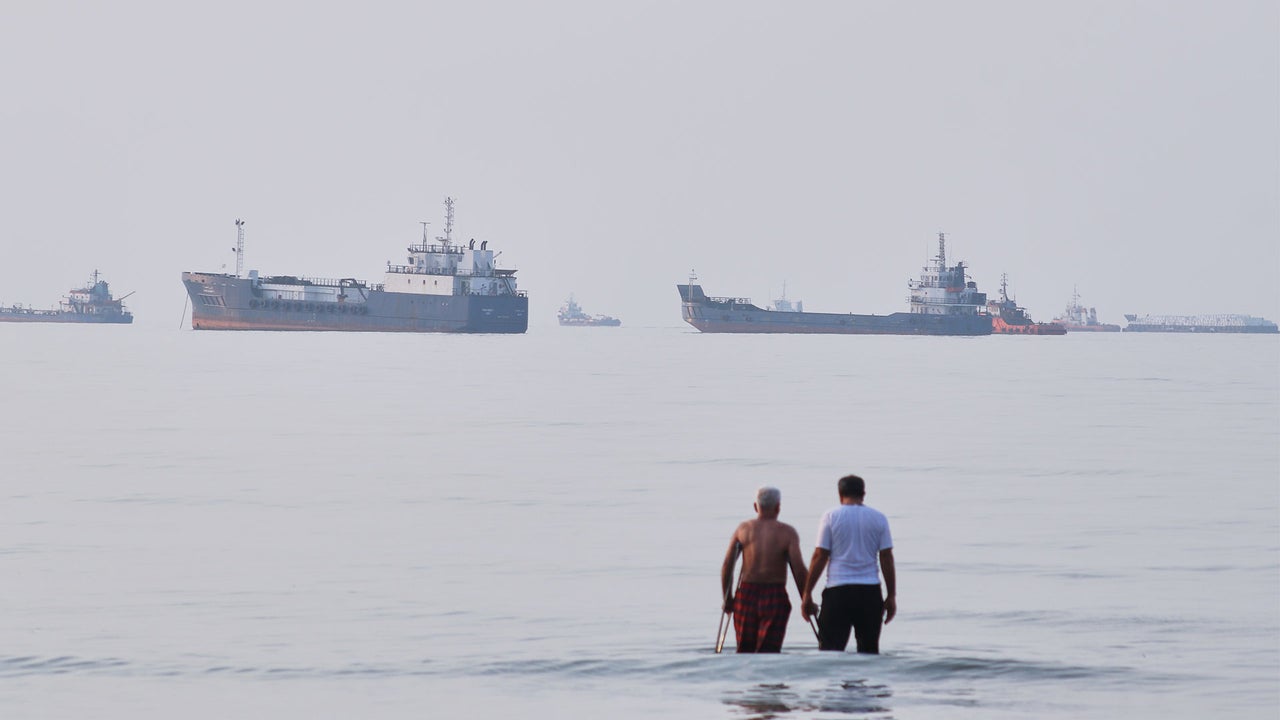
The United States intensified its airstrike campaign against Iran early Friday, targeting bridges and energy infrastructure in response to the collapse of an interim ceasefire. These strikes, part of U.S. President Donald Trump's strategy to pressure Tehran, aimed to disrupt Iran's control over the Strait of Hormuz. Iran had previously launched missile attacks against U.S.-allied nations in the Middle East, including Qatar, and damaged a critical power and water desalination plant in Kuwait.
The conflict escalated after an interim ceasefire agreed to last month failed, leading to days of retaliatory attacks between the U.S. and Iran. Iranian officials reported that U.S. strikes had resulted in dozens of deaths and hundreds of injuries, with new casualties reported from Friday's actions. The U.S. and Israel initiated the war against Iran on February 28, a move that led Tehran to effectively close the Strait of Hormuz to shipping traffic, causing oil prices to surge and granting Iran significant negotiation leverage.
President Trump, in a primetime address, asserted that the war was progressing favorably, stating, "We are likewise winning big in Iran, and you will see the fruits of that labor very, very shortly." The U.S. airstrikes overnight into Friday struck bridges in Iran's southern Hormozgan province, resulting in at least seven fatalities, according to Iranian state television. These attacks specifically targeted Bandar Khamir, a coastal city on the Strait of Hormuz.
The strikes on the highway and railway bridges appeared designed to isolate Bandar Abbas, Iran's primary port, from central regions and the capital, Tehran. While alternative routes remain accessible, the U.S. strikes carry the potential to further disrupt the movement of military equipment and essential goods for Iran's population of 90 million people. Iran also acknowledged "attacks on power infrast
Original source — read the full reporting at the publisher:
Read on Fast CompanyGet the weekly AI digest
AI news + new model releases, weekly. Drafted by our agents, reviewed by humans.