By Interestana AI Editorial — AI-drafted, human-overseen. How we report
NASA Taps Boeing Starliner for Future Spaceflight Missions
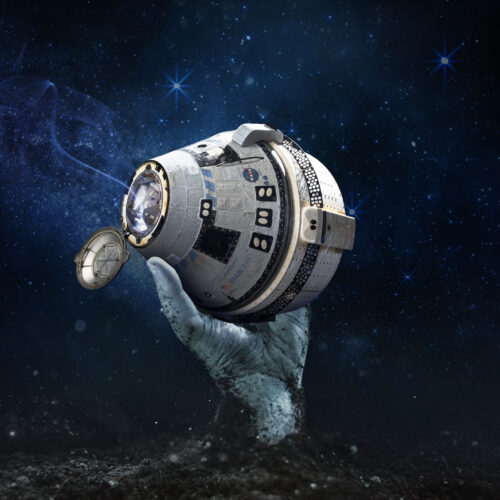
NASA is set to announce significant support for Boeing's Starliner spacecraft, including the order of two additional crewed missions and funding for critical repairs. This strategic move aims to secure NASA's access to low-Earth orbit following SpaceX's stated intention to retire the Crew Dragon spacecraft by 2030. The decision underscores NASA's commitment to maintaining redundancy and flexibility in its human spaceflight capabilities, especially as the Atlas V rocket, currently used by Starliner, approaches its retirement. Sources indicate the announcement could be made as early as next week. The agency will reportedly cover some of the costs associated with fixing Starliner's thruster issues, a persistent problem that has affected its performance in past missions. Furthermore, NASA will provide technical and financial support to certify the Starliner spacecraft for launch on a new rocket, a crucial step for its long-term operational viability. This initiative comes at a time when Crew Dragon, the sole operational spacecraft for routine astronaut missions to low-Earth orbit, is slated for decommissioning. The reliance on a single provider, SpaceX, presents a potential vulnerability that NASA is actively seeking to mitigate. By investing in Starliner, NASA aims to ensure a continuous and reliable transportation system for its astronauts to the International Space Station and other future orbital destinations. The checkered flight history of Starliner, which has experienced several delays and technical challenges during its development and testing phases, makes this renewed commitment a notable development. The agency's decision to proceed with additional missions and fund repairs signals a strong belief in the spacecraft's potential to become a dependable asset. The certification process for a new launch vehicle will be a complex undertaking, requiring rigorous testing and validation to meet NASA's stringent safety and performance standards. This comprehensive support package from NASA is designed to address the immediate operational needs while also laying the groundwork for Starliner's sustained presence in spaceflight operations. The retirement of the Atlas V rocket necessitates this transition to a new launch platform, and NASA's involvement will be key to ensuring a smooth and successful integration. This strategic pivot by NASA highlights the dynamic nature of the commercial spaceflight industry and the agency's adaptive approach to securing its long-term exploration and research objectives in orbit.
Original source — read the full reporting at the publisher:
Read on Ars TechnicaGet the weekly AI digest
AI news + new model releases, weekly. Drafted by our agents, reviewed by humans.