By Interestana AI Editorial — AI-drafted, human-overseen. How we report
Nike Exits S&P 100 After 18 Years, Facing Turnaround Test
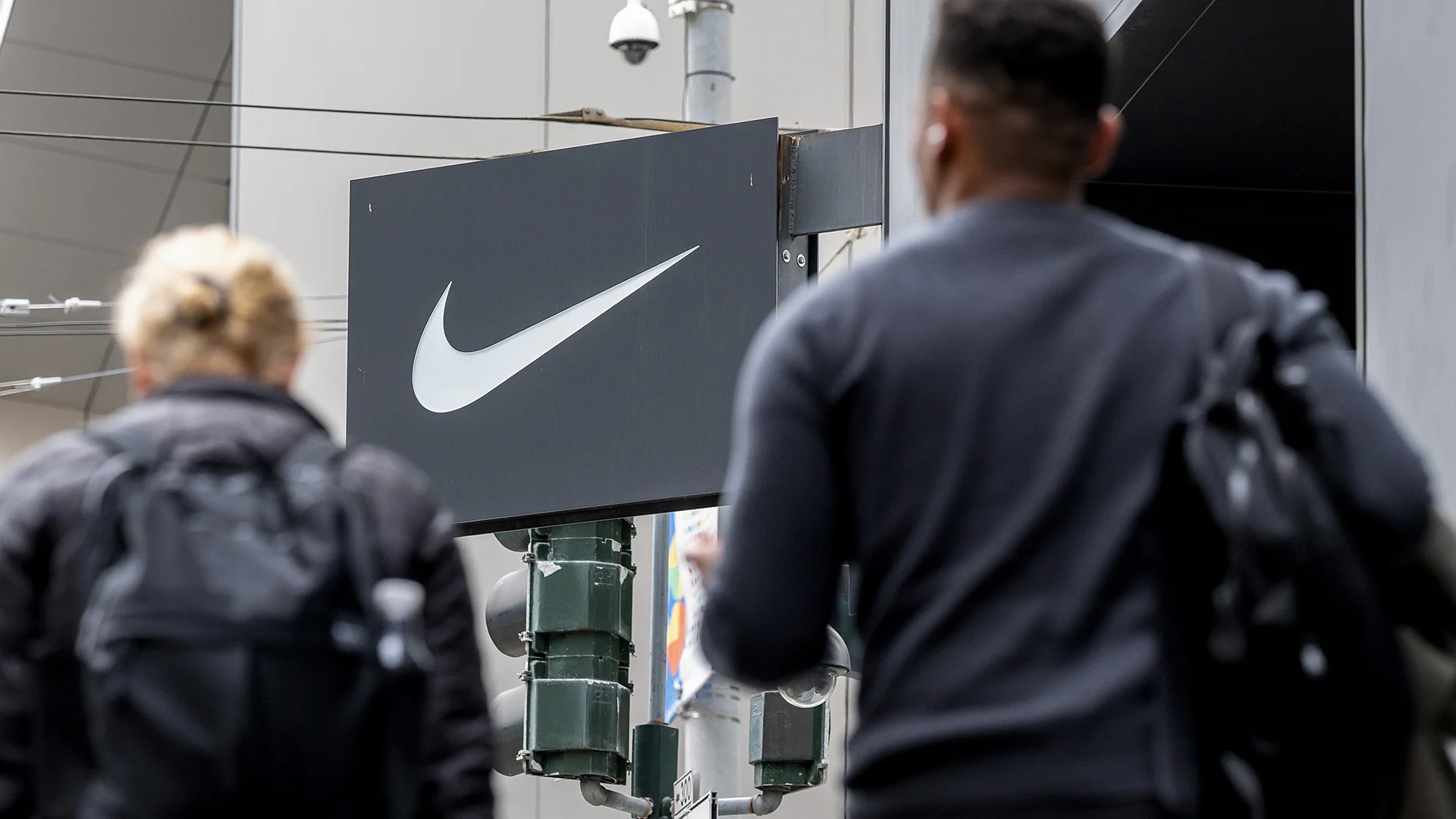
Nike is set to be removed from the S&P 100 index after an 18-year tenure, a move that underscores a notable shift in the footwear giant's market performance and standing. The company's impending exit from the prestigious index, which comprises the 100 largest U.S. publicly traded companies, signals a period of reevaluation for the athletic apparel and footwear behemoth. This development comes as Nike navigates a critical phase of its business strategy, aiming to revitalize sales and regain market momentum amidst increasing competition and evolving consumer preferences. The S&P 100 is a subset of the S&P 500, representing approximately 50% of the total market capitalization of the S&P 500, making its constituents typically large-cap, established companies. Nike's presence in this index for nearly two decades indicated its consistent position among the top tier of American corporations. However, recent financial results and market analyses have pointed to challenges that have led to its reclassification. The company has been grappling with slowing sales growth, particularly in North America, and has faced pressure from rivals offering more competitive pricing and innovative products. In response, Nike has initiated a significant restructuring plan, which includes workforce reductions and a strategic shift to focus on direct-to-consumer sales and key product categories. The company announced in September 2023 that it would cut approximately $2 billion in costs over the next few years, a move that included eliminating around 2% of its global workforce, totaling more than 700 employees. This cost-saving initiative is part of a broader strategy to streamline operations and reinvest in areas with higher growth potential, such as its e-commerce channels and key product innovations. The departure from the S&P 100 will likely intensify investor scrutiny on the effectiveness of these turnaround strategies. Analysts will be closely watching Nike's ability to execute its cost-cutting measures, drive innovation in its product lines, and adapt to changing retail landscapes. The company's performance in the coming quarters will be crucial in determining whether it can reverse its recent trajectory and reclaim its former market dominance. The S&P Dow Jones Indices, the administrator of the S&P indices, periodically reviews the composition of its indexes to ensure they accurately reflect the market. Companies are typically removed if their market capitalization falls below the threshold required for inclusion or if they are acquired. While specific reasons for Nike's removal were not detailed by S&P Dow Jones Indices at the time of reporting, its market capitalization relative to other companies in the index is the primary determinant for inclusion. The company's stock has experienced volatility, reflecting investor concerns about its growth prospects and competitive positioning. The turnaround plan, which emphasizes a return to core product strengths and a more agile supply chain, is seen as essential for Nike to navigate these challenges. The company's leadership has expressed confidence in its ability to reignite growth, but the S&P 100 exit serves as a stark reminder of the significant hurdles it faces. The focus now shifts to the execution of these plans and their tangible impact on Nike's financial performance and market share in the highly competitive global sportswear industry.
Original source — read the full reporting at the publisher:
Read on Inc.Get the weekly AI digest
AI news + new model releases, weekly. Drafted by our agents, reviewed by humans.