By Interestana AI Editorial — AI-drafted, human-overseen. How we report
Afghan Women Detail Unrecognizable Lives Under Five Years of Taliban Rule, Citing Floggings, Job Losses, and Healthcare Barriers
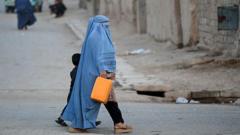
Five years into the Taliban's resurgence to power in Afghanistan, women across the nation are reporting that their lives have become "unrecognizable," according to detailed accounts shared with the BBC. These testimonies paint a stark picture of severe restrictions and pervasive human rights abuses that have fundamentally reshaped daily existence, particularly for women and girls. The Taliban's return in August 2021 marked a significant reversal of progress, undoing two decades of advancements in women's rights and freedoms that had been established since the fall of the previous Taliban regime in 2001. The current situation is characterized by a climate of intense fear and repression, with women facing increasingly stringent social and legal constraints that limit their autonomy and public participation.
A critical issue highlighted is the systematic loss of employment. Prior to the Taliban's takeover, many Afghan women held vital positions in sectors such as education, healthcare, and public administration, contributing significantly to their families' financial stability and the broader national economy. Their dismissal from these roles has exacerbated poverty and economic hardship for countless households, leaving many families without essential income.
Furthermore, access to healthcare has become a life-threatening concern. Women encounter substantial obstacles in reaching medical facilities. These barriers include restrictions on movement, the mandatory requirement for a male guardian (mahram) to accompany them, and a critical shortage of female healthcare providers, especially in rural areas where such services are most needed. This lack of timely and adequate medical care is resulting in preventable suffering and a documented increase in mortality rates, particularly among pregnant women and individuals managing chronic health conditions.
The international community, including numerous human rights organizations like Human Rights Watch and Amnesty International, has widely condemned the Taliban's policies. These organizations have meticulously documented a pattern of systematic discrimination against women. Despite sustained international pressure and repeated calls for reform from global leaders and bodies such as the United Nations, the Taliban have largely maintained their restrictive policies. This stance has further isolated Afghanistan internationally and intensified the ongoing humanitarian crisis within the country. The accounts from Afghan women collectively depict a society where fundamental human rights are systematically denied, leaving a generation facing an uncertain and oppressive future. The long-term ramifications of these policies on social cohesion, economic development, and the overall well-being of the Afghan population are profound and far-reaching, impacting generations to come.
Original source — read the full reporting at the publisher:
Read on BBC World NewsGet the weekly AI digest
AI news + new model releases, weekly. Drafted by our agents, reviewed by humans.